
What is the influence of valve body shape on the flow characteristics of a Cryogenic Slab Gate Valve?
Leave a message

As a supplier of Cryogenic Slab Gate Valves, I've delved deep into the intricate relationship between valve body shape and flow characteristics. In the cryogenic industry, where precision and reliability are paramount, understanding these dynamics is crucial for providing high - quality products that meet the diverse needs of our customers.
Understanding Cryogenic Slab Gate Valves
Cryogenic Slab Gate Valves are specifically designed to operate in extremely low - temperature environments. They are widely used in industries such as liquefied natural gas (LNG), air separation, and other cryogenic processes. The Cryogenic Slab Gate Valve offers several advantages, including tight shut - off, low leakage rates, and the ability to handle high - pressure differentials.
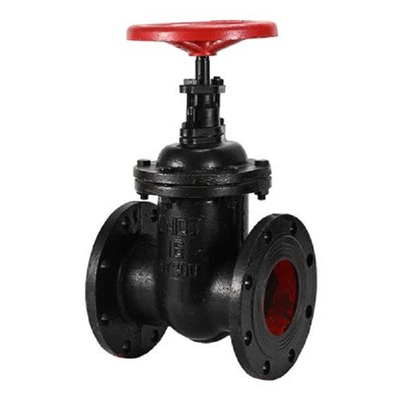
The basic structure of a cryogenic slab gate valve consists of a valve body, a gate, and seats. The valve body is the outer casing that houses the internal components and provides the connection points for the pipeline. The gate is the moving part that controls the flow of fluid through the valve, and the seats are the sealing surfaces that ensure a tight closure when the valve is shut.
The Role of Valve Body Shape
The shape of the valve body has a profound influence on the flow characteristics of a cryogenic slab gate valve. Different valve body shapes can affect factors such as flow resistance, pressure drop, flow distribution, and cavitation.
Flow Resistance
Flow resistance is a measure of how difficult it is for fluid to flow through the valve. A valve body with a streamlined shape can reduce flow resistance, allowing fluid to pass through more easily. For example, a valve body with a smooth, tapered inlet and outlet can minimize the sudden changes in flow direction and velocity, which in turn reduces the energy losses due to turbulence. In contrast, a valve body with sharp corners or irregular shapes can cause significant flow resistance, leading to higher pressure drops and reduced flow rates.
Pressure Drop
Pressure drop is the difference in pressure between the inlet and outlet of the valve. It is directly related to flow resistance. A valve body shape that reduces flow resistance will also result in a lower pressure drop. This is important in cryogenic applications because excessive pressure drop can lead to problems such as reduced efficiency, increased energy consumption, and potential damage to the pipeline system. By optimizing the valve body shape, we can ensure that the pressure drop across the valve is within acceptable limits, maintaining the integrity and performance of the entire pipeline system.
Flow Distribution
The shape of the valve body can also affect the distribution of flow within the valve. A well - designed valve body can ensure a uniform flow distribution across the gate and seats, which is essential for proper sealing and long - term valve performance. For example, a valve body with a symmetrical shape can promote even flow distribution, reducing the risk of uneven wear on the gate and seats. On the other hand, an asymmetrical valve body shape can cause uneven flow, leading to premature wear and tear of the sealing surfaces and potential leakage.
Cavitation
Cavitation is a phenomenon that occurs when the pressure of a fluid drops below its vapor pressure, causing the formation of vapor bubbles. These bubbles can collapse violently, causing damage to the valve components and the pipeline. The shape of the valve body can influence the occurrence of cavitation. A valve body with a smooth internal surface and a proper flow path can prevent the formation of low - pressure regions where cavitation is likely to occur. For instance, a valve body with a gradually expanding outlet can help to reduce the likelihood of cavitation by allowing the fluid to expand gradually and maintain a stable pressure.
Different Valve Body Shapes and Their Effects
There are several common valve body shapes used in cryogenic slab gate valves, each with its own characteristics and effects on flow.
Straight - Through Valve Body
A straight - through valve body has a simple, linear design where the fluid flows in a straight line through the valve. This shape offers the lowest flow resistance and pressure drop because there are no significant changes in flow direction. It is suitable for applications where high flow rates and low pressure drops are required. However, straight - through valve bodies may not be ideal for applications where precise flow control or tight shut - off is needed, as the gate movement may not provide as precise a seal as some other valve body shapes.
Angle Valve Body
An angle valve body has an L - shaped design, where the inlet and outlet are at a 90 - degree angle to each other. This shape can be useful in applications where space is limited or where the pipeline layout requires a change in flow direction. However, the 90 - degree turn in the valve body can cause some flow resistance and pressure drop. To minimize these effects, angle valve bodies are often designed with a streamlined internal shape and smooth transitions.
Globe - Shaped Valve Body
A globe - shaped valve body has a spherical or oval - shaped cavity that houses the gate. This shape provides good flow control and tight shut - off capabilities because the gate can be easily aligned with the seats. However, the globe - shaped valve body also has a relatively high flow resistance and pressure drop compared to straight - through valve bodies. This is because the fluid has to flow through a more restricted passage, and the spherical shape can cause more turbulence.
Comparing with Other Types of Gate Valves
It's also interesting to compare cryogenic slab gate valves with other types of gate valves, such as Normal Temperature Flat Gate Valve and Dark Rod Flat Gate Valve.
Normal temperature flat gate valves are designed for use in non - cryogenic applications. They may have different valve body shapes and materials compared to cryogenic slab gate valves. While the basic principles of flow control are similar, the operating conditions and performance requirements are different. For example, normal temperature flat gate valves may not need to be as resistant to low temperatures or as precise in terms of sealing as cryogenic slab gate valves.
Dark rod flat gate valves are a type of gate valve where the stem is not visible outside the valve body. They are often used in applications where a more compact design is required. The valve body shape of dark rod flat gate valves can also affect their flow characteristics, similar to cryogenic slab gate valves. However, the specific design considerations may vary depending on the application and the operating environment.
Conclusion and Call to Action
In conclusion, the shape of the valve body plays a crucial role in determining the flow characteristics of a cryogenic slab gate valve. By carefully selecting the appropriate valve body shape, we can optimize the performance of the valve, reduce energy losses, and ensure the long - term reliability of the pipeline system.
As a leading supplier of cryogenic slab gate valves, we have extensive experience in designing and manufacturing valves with different valve body shapes to meet the specific needs of our customers. Whether you are looking for a valve with low flow resistance, high - precision flow control, or tight shut - off capabilities, we can provide you with the right solution.


If you are interested in learning more about our cryogenic slab gate valves or have specific requirements for your application, we encourage you to contact us for a detailed discussion. Our team of experts is ready to assist you in selecting the most suitable valve and providing you with professional technical support.
References
- Miller, R. W. (1996). Flow Measurement Engineering Handbook. McGraw - Hill.
- Idelchik, I. E. (2007). Handbook of Hydraulic Resistance. Begell House.
- ASME B16.34 - 2017, Valves - Flanged, Threaded, and Welding End.