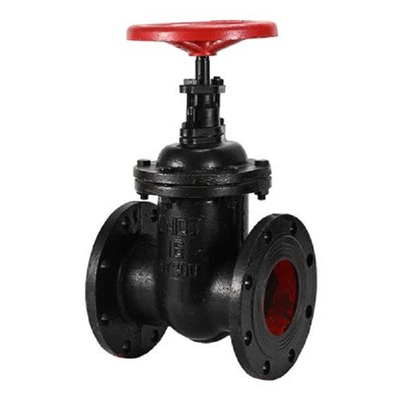

How to troubleshoot a stuck API 6A Flat Gate Valve?
Leave a message

A stuck API 6A Flat Gate Valve can be a significant headache in industrial operations, especially in sectors like oil and gas, where reliable valve performance is crucial. As a trusted API 6A Flat Gate Valve supplier, I've encountered numerous situations where valves get stuck, and I'm here to share some effective troubleshooting steps.
Understanding the API 6A Flat Gate Valve
Before delving into troubleshooting, it's essential to understand what an API 6A Flat Gate Valve is. These valves are designed to meet the stringent requirements of the American Petroleum Institute (API) Specification 6A. They are commonly used in high - pressure and high - temperature applications, such as oil and gas wellheads, pipelines, and refineries. The flat gate design allows for a full - bore opening, minimizing flow restrictions and pressure drop.


Common Causes of a Stuck API 6A Flat Gate Valve
1. Foreign Material Buildup
Over time, debris, scale, or other foreign materials can accumulate inside the valve. In oil and gas applications, sand, rust, and sediment from the pipeline can enter the valve cavity and get trapped between the gate and the seat. This buildup can prevent the gate from moving freely, causing the valve to stick.
2. Corrosion
Corrosion is another major culprit. In harsh environments, the metal components of the valve can corrode, especially if the valve is not properly coated or if it is exposed to corrosive fluids. Corrosion can roughen the surfaces of the gate and the seat, increasing friction and making it difficult for the gate to slide open or closed.
3. Improper Installation
If the valve is not installed correctly, it can lead to alignment issues. Misaligned bolts, incorrect gasket installation, or improper torque can cause uneven stress on the valve components, resulting in a stuck gate. For example, if the valve is not centered properly on the pipeline flange, the gate may bind against the seat.
4. Stem or Actuator Problems
The stem, which connects the actuator to the gate, can also cause problems. If the stem is bent, damaged, or seized, it won't be able to transmit the force from the actuator to the gate effectively. Similarly, issues with the actuator, such as a malfunctioning motor or a broken gear, can prevent the gate from moving.
Troubleshooting Steps
1. Visual Inspection
The first step in troubleshooting a stuck valve is a visual inspection. Check the valve for any obvious signs of damage, such as cracks, dents, or corrosion. Look for any loose or missing bolts, and ensure that the actuator is properly connected to the valve stem. Also, inspect the pipeline for any signs of debris or blockage near the valve.
2. Clean the Valve
If foreign material buildup is suspected, try to clean the valve. First, isolate the valve from the system by closing the upstream and downstream valves. Then, carefully remove the valve bonnet to access the valve cavity. Use a suitable cleaning agent and a brush to remove any debris from the gate, seat, and other internal components. Make sure to clean all the crevices and hard - to - reach areas. After cleaning, rinse the components thoroughly with clean water and dry them completely.
3. Address Corrosion
If corrosion is detected, the affected areas need to be treated. For minor corrosion, you can use a wire brush or sandpaper to remove the rust and then apply a corrosion - resistant coating. In cases of severe corrosion, the corroded parts may need to be replaced. It's important to choose replacement parts that are compatible with the valve and meet the API 6A standards.
4. Check Alignment
Verify the alignment of the valve. Check the bolt torque on the flanges to ensure that they are tightened evenly. If the valve is misaligned, you may need to loosen the bolts and re - position the valve. Use a straightedge or a level to check the alignment of the valve body with the pipeline. Once the alignment is correct, retighten the bolts to the specified torque.
5. Inspect the Stem and Actuator
Examine the stem for any signs of damage or bending. If the stem is damaged, it should be replaced. Check the actuator for proper operation. Test the actuator by operating it manually or using the control system. If the actuator is malfunctioning, troubleshoot the electrical or mechanical components according to the manufacturer's instructions.
Preventive Measures
To avoid future valve sticking issues, consider the following preventive measures:
1. Regular Maintenance
Implement a regular maintenance schedule for the valves. This includes cleaning, lubrication, and inspection. Lubricate the stem and other moving parts regularly to reduce friction and prevent corrosion.
2. Filtration
Install filters upstream of the valve to prevent foreign materials from entering the valve. This can significantly reduce the risk of debris buildup.
3. Quality Installation
Ensure that the valves are installed by trained professionals who follow the manufacturer's installation instructions. Use the correct gaskets, bolts, and torque values during installation.
Product Recommendations
As an API 6A Flat Gate Valve supplier, I offer a wide range of high - quality valves to meet different industrial needs. Our Natural Gas Pipeline Flat Gate Valve is specifically designed for natural gas pipeline applications, providing reliable performance and long - term durability. The Lug Plate Gate Valve is another popular choice, known for its easy installation and maintenance. And our Carbon Steel Flat Gate Valve is made of high - quality carbon steel, offering excellent corrosion resistance and strength.
Contact for Purchase and Consultation
If you are facing issues with a stuck API 6A Flat Gate Valve or are interested in purchasing high - quality valves, we are here to help. Our team of experts can provide you with professional advice and solutions. Whether you need a valve for a new project or a replacement for an existing one, we have the right product for you. Don't hesitate to reach out for more information and to start a purchase negotiation.
References
- API Specification 6A, “Specification for Wellhead and Christmas Tree Equipment,” American Petroleum Institute.
- Valve Handbook, various editions, providing general valve knowledge and troubleshooting guides.