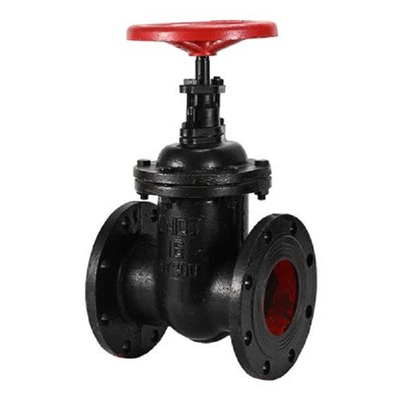

What is the bonnet material of a flanged slab gate valve?
Leave a message

Hey there, fellow valve enthusiasts! As a supplier of Flanged Slab Gate Valves, I often get asked about the bonnet material of these valves. It's a crucial aspect that affects the valve's performance, durability, and overall suitability for various applications. So, let's dive right in and explore what the bonnet material of a flanged slab gate valve is all about.
Understanding the Bonnet of a Flanged Slab Gate Valve
First off, let's clarify what the bonnet is in a valve. Think of the bonnet as the top cover of the valve body. It provides access for internal maintenance, houses the valve stem, and forms a pressure-tight seal to prevent fluid leakage. In a flanged slab gate valve, the bonnet plays a vital role in maintaining the integrity of the valve's structure and functionality.
Common Bonnet Materials
Carbon Steel
Carbon steel is one of the most widely used bonnet materials for flanged slab gate valves. It's known for its strength, durability, and cost-effectiveness. Carbon steel bonnets can withstand high pressures and temperatures, making them suitable for a variety of industrial applications, including oil and gas, power generation, and water treatment.
The main advantage of carbon steel is its affordability without compromising on performance. However, it can be prone to corrosion, especially in harsh environments. To mitigate this, carbon steel bonnets are often coated or painted to provide a protective layer.
Stainless Steel
Stainless steel is another popular choice for bonnet material. It offers excellent corrosion resistance, making it ideal for applications where the valve is exposed to corrosive fluids or environments. Stainless steel contains chromium, which forms a passive oxide layer on the surface, preventing rust and corrosion.


There are different grades of stainless steel available, such as 304 and 316. Grade 316 stainless steel, in particular, contains molybdenum, which enhances its resistance to pitting and crevice corrosion. This makes it suitable for applications in the chemical, marine, and food processing industries.
Alloy Steel
Alloy steel bonnets are used in applications where high strength and resistance to wear and tear are required. Alloy steels are made by adding other elements, such as chromium, nickel, and molybdenum, to carbon steel. These elements enhance the mechanical properties of the steel, making it stronger and more resistant to corrosion.
Alloy steel bonnets are commonly used in high-pressure and high-temperature applications, such as in the oil and gas industry. They can withstand extreme conditions and provide reliable performance over an extended period.
Choosing the Right Bonnet Material
Selecting the appropriate bonnet material depends on several factors, including the operating conditions, the fluid being handled, and the budget. Here are some key considerations to keep in mind:
Operating Conditions
Consider the pressure, temperature, and flow rate of the system. High-pressure and high-temperature applications may require a bonnet material with high strength and heat resistance, such as alloy steel. On the other hand, applications with lower pressure and temperature requirements may be suitable for carbon steel or stainless steel bonnets.
Fluid Compatibility
The fluid being handled is a critical factor in determining the bonnet material. Corrosive fluids, such as acids, alkalis, or saltwater, require a corrosion-resistant material like stainless steel. If the fluid contains abrasive particles, a bonnet material with good wear resistance may be necessary.
Budget
Cost is always a consideration when selecting a bonnet material. Carbon steel is generally the most affordable option, while stainless steel and alloy steel tend to be more expensive. However, it's important to balance the initial cost with the long-term performance and durability of the valve.
Our Flanged Slab Gate Valves
As a supplier of Flanged Slab Gate Valves, we offer a wide range of options with different bonnet materials to meet the diverse needs of our customers. Whether you need a valve for a high-pressure oil and gas application or a corrosion-resistant valve for a chemical plant, we have the solution for you.
Our Flanged Slab Gate Valve is designed and manufactured to the highest standards, ensuring reliable performance and long service life. We use only the best quality materials and advanced manufacturing processes to produce valves that meet or exceed industry requirements.
In addition to our standard flanged slab gate valves, we also offer Electric Flat Gate Valve and Bevel Gear Plate Gate Valve options. These valves provide enhanced control and automation capabilities, making them suitable for a variety of applications.
Contact Us for Your Valve Needs
If you're in the market for a flanged slab gate valve or any other type of valve, we'd love to hear from you. Our team of experts is ready to assist you in selecting the right valve for your application and providing you with a competitive quote.
Whether you have a specific project in mind or just want to learn more about our products, feel free to reach out to us. We're here to help you make the best decision for your valve needs.
References
- Valve Engineering Handbook
- ASME Standards for Valves
- API Standards for Oil and Gas Valves