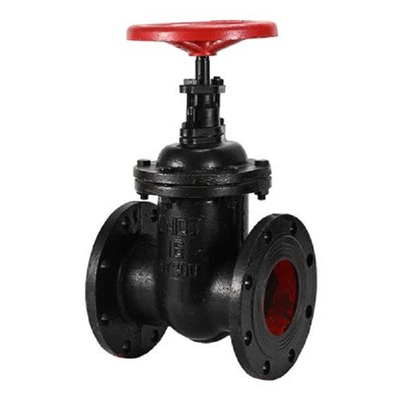

What are the safety considerations when using a Rising Stem Flat Gate Valve?
Leave a message

Hey there! As a supplier of Rising Stem Flat Gate Valves, I've seen my fair share of valve - related situations. These valves are super useful in various industries, but safety is always the top priority. So let's dive into the safety considerations when using a Rising Stem Flat Gate Valve.
Installation Safety
First off, getting the installation right is crucial. You gotta make sure the valve is installed in the correct orientation. A Rising Stem Flat Gate Valve has a specific way it should be placed in the pipeline. If it's installed backwards, it won't function properly, and that can be a huge safety risk. For example, it might not close fully, leading to leaks.
Also, the pipeline where you're installing the valve needs to be clean. Any debris or dirt in the pipeline can damage the valve's sealing surfaces. When installing, use the right tools and follow the manufacturer's instructions carefully. Tighten the bolts evenly to prevent uneven stress on the valve body. If the bolts aren't tightened properly, it could cause the valve to leak or even break under pressure.
Pressure and Temperature Limits
Every Rising Stem Flat Gate Valve has its own pressure and temperature limits. It's essential to know these limits and never exceed them. Operating the valve beyond its rated pressure can cause the valve body to burst. This is extremely dangerous as it can lead to the release of hazardous materials, whether it's a liquid or a gas.
Similarly, high temperatures can affect the valve's materials. If the temperature is too high, it might cause the valve's seals to melt or degrade, resulting in leaks. Always monitor the pressure and temperature in the system where the valve is installed and make sure they stay within the valve's specified range.
Maintenance and Inspection
Regular maintenance is a must. You should inspect the valve frequently for any signs of wear and tear. Check the stem for corrosion or damage. If the stem is damaged, it might not be able to open or close the valve properly. Also, examine the sealing surfaces. If there are any scratches or dents on the sealing surfaces, it can lead to leaks.
Lubrication is another important aspect of maintenance. The stem and other moving parts of the Rising Stem Flat Gate Valve need to be lubricated regularly. This helps the valve operate smoothly and reduces friction. Without proper lubrication, the valve might become difficult to operate, and in some cases, it could get stuck.
Operator Training
The people who operate the Rising Stem Flat Gate Valve need to be well - trained. They should know how to open and close the valve correctly. For example, they should turn the handwheel slowly and steadily. Rapid opening or closing of the valve can cause water hammer in the pipeline. Water hammer is a pressure surge that can damage the valve and the entire pipeline system.
Operators should also be aware of the emergency shut - off procedures. In case of a problem, they need to know how to quickly and safely close the valve to prevent any further damage or hazards.
Special Types of Flat Gate Valves
There are some special types of flat gate valves that you might need to consider, depending on your application. For example, the Adjustable Flat Gate Valve offers more flexibility in terms of flow control. It allows you to adjust the flow rate according to your needs.
The Fire Slab Gate Valve is designed to withstand high temperatures and fire. It's a great choice for applications where fire safety is a major concern.
And then there's the Quick Closing Flat Gate Valve. This valve can be closed rapidly in case of an emergency, helping to prevent the spread of dangerous substances.
Environmental Considerations
The environment where the Rising Stem Flat Gate Valve is installed also matters. If it's installed outdoors, it needs to be protected from the elements. Rain, snow, and extreme temperatures can all have an impact on the valve's performance. You might need to install a protective cover over the valve to keep it dry and prevent corrosion.
In a chemical plant or other industrial settings where there are corrosive substances in the air, the valve needs to be made of materials that can resist corrosion. Otherwise, the valve will deteriorate quickly, leading to safety issues.
Safety Devices and Alarms
It's a good idea to install safety devices and alarms along with the Rising Stem Flat Gate Valve. Pressure sensors can be installed to monitor the pressure in the pipeline. If the pressure exceeds the safe limit, an alarm can go off, alerting the operators.
Flow sensors can also be used to monitor the flow rate. If there's an abnormal flow rate, it could indicate a problem with the valve, such as a leak. The operators can then take appropriate action, like closing the valve or conducting further inspections.


Documentation
Keep detailed documentation of the valve's installation, maintenance, and inspection. This documentation can be very useful in case of an accident or a safety audit. It shows that you've been following all the necessary safety procedures and that the valve has been properly maintained.
Contact for Purchase and Consultation
If you're in the market for a Rising Stem Flat Gate Valve or any of the special types I mentioned earlier, we're here to help. We've got a wide range of high - quality valves to meet your needs. Whether it's for a small - scale project or a large industrial application, we can provide the right valve and offer advice on safety and installation. Don't hesitate to reach out for a consultation or to discuss a potential purchase.
References
- Valves Handbook (General valve safety and operation knowledge)
- Manufacturer's installation and operation guides for Rising Stem Flat Gate Valves