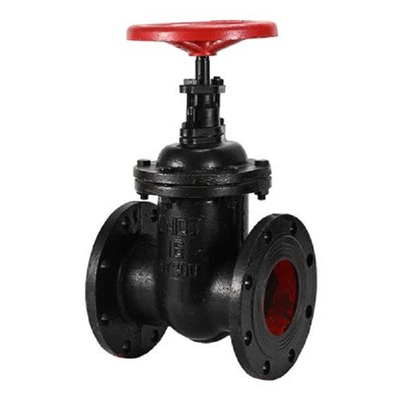

What is the impact of different fluid viscosities on a buried slab gate valve?
Leave a message

Fluid viscosity is a critical factor influencing the performance of buried slab gate valves. As a dedicated supplier of buried slab gate valves, I've witnessed firsthand how different fluid viscosities can significantly impact these essential components in various industrial applications. In this blog, I'll delve into the intricacies of this relationship, exploring the effects of fluid viscosity on buried slab gate valves and offering insights for optimizing their performance.
Understanding Fluid Viscosity
Viscosity is a measure of a fluid's resistance to flow. It describes the internal friction within a fluid as its molecules move relative to one another. High - viscosity fluids, such as honey or heavy oils, flow slowly because their molecules have strong intermolecular forces that impede movement. On the other hand, low - viscosity fluids like water flow more easily as their molecules can move past each other with less resistance.
The viscosity of a fluid can be affected by several factors, including temperature and pressure. Generally, as temperature increases, the viscosity of a liquid decreases because the increased thermal energy allows the molecules to move more freely. For gases, the opposite is true: as temperature rises, gas viscosity increases.
Impact on Valve Operation
Opening and Closing Forces
One of the most immediate impacts of fluid viscosity on a buried slab gate valve is the force required to open and close it. In low - viscosity fluids, the valve experiences less resistance from the fluid during operation. The gate can move through the fluid with relative ease, and the actuator (the device used to open and close the valve) doesn't need to generate a large amount of force.
However, when dealing with high - viscosity fluids, the situation is quite different. The thick fluid creates a greater drag force on the gate as it moves. This means that the actuator has to work harder to overcome the resistance. If the actuator is not properly sized for the fluid viscosity, it may struggle to open or close the valve fully, leading to incomplete shut - off or difficulty in starting the flow. For example, in an oil pipeline where the oil has a high viscosity, a buried slab gate valve may require a more powerful actuator compared to a valve in a water pipeline.
Flow Resistance
Fluid viscosity also affects the flow resistance within the valve. In a low - viscosity fluid, the flow through the valve is relatively smooth, and the pressure drop across the valve is minimal. The valve's internal geometry allows the fluid to pass through with little disturbance.
In contrast, high - viscosity fluids have a higher resistance to flow. As the fluid passes through the valve, it experiences more friction against the valve walls and the gate. This results in a significant pressure drop across the valve. A large pressure drop can be a problem in many applications as it may require additional pumping power to maintain the desired flow rate. For instance, in a heavy - duty industrial process where a high - viscosity chemical is being transported, the increased pressure drop across the buried slab gate valve can lead to higher energy costs.
Sealing Performance
The sealing performance of a buried slab gate valve is crucial for preventing leakage. Fluid viscosity plays an important role in this aspect. In low - viscosity fluids, there is a greater risk of leakage because the fluid can more easily seep through small gaps in the valve's sealing surfaces. The low - viscosity fluid can find its way past the gate and the seat, even if the valve is properly installed and maintained.
High - viscosity fluids, on the other hand, tend to provide better sealing. The thick fluid fills in the small gaps between the gate and the seat, acting as a natural sealant. However, if the valve is not designed to handle high - viscosity fluids, the thick fluid can also cause problems. For example, the high - viscosity fluid may solidify or build up on the sealing surfaces over time, leading to poor sealing performance and potential valve failure.


Impact on Valve Wear and Maintenance
Wear on Valve Components
The viscosity of the fluid flowing through a buried slab gate valve can have a significant impact on the wear of its components. In low - viscosity fluids, the main cause of wear is usually the mechanical movement of the gate against the seat and the valve body. The friction between these surfaces can lead to gradual wear over time.
High - viscosity fluids introduce additional wear mechanisms. The thick fluid can carry abrasive particles, such as sand or dirt, which can cause erosion on the valve surfaces. The high - viscosity fluid may also cause the gate to stick or bind, increasing the stress on the valve components. This can lead to accelerated wear and a shorter lifespan for the valve. For example, in a mining application where a high - viscosity slurry is being transported, the buried slab gate valve may experience severe wear due to the abrasive nature of the slurry.
Maintenance Requirements
Due to the differences in wear patterns, the maintenance requirements for buried slab gate valves vary depending on the fluid viscosity. Valves in low - viscosity fluid applications generally require less frequent maintenance. Regular inspections and minor adjustments to the actuator and the sealing surfaces may be sufficient to keep the valve in good working condition.
Valves in high - viscosity fluid applications, however, need more intensive maintenance. This may include more frequent cleaning to remove the build - up of thick fluid and abrasive particles. The sealing surfaces may need to be replaced more often, and the actuator may require more frequent servicing to ensure it can generate enough force to operate the valve. For example, a buried slab gate valve in a tar - handling facility may need to be inspected and maintained on a monthly basis, while a valve in a water supply system may only require annual maintenance.
Selecting the Right Valve for Different Viscosities
As a supplier of buried slab gate valves, I understand the importance of selecting the right valve for different fluid viscosities. For low - viscosity fluids, a standard - design valve with a relatively simple actuator may be sufficient. These valves are often more cost - effective and can provide reliable performance in applications such as water distribution systems.
For high - viscosity fluids, special considerations are necessary. A valve with a more robust design and a powerful actuator is required. Some valves are specifically designed to handle high - viscosity fluids, such as the Adjustable Flat Gate Valve. This type of valve can be adjusted to better accommodate the unique characteristics of high - viscosity fluids, ensuring optimal performance and long - term reliability. Another option is the Quick Closing Flat Gate Valve, which can quickly shut off the flow of high - viscosity fluids in case of an emergency. Additionally, the Adjustable Flat Gate Valve offers flexibility in operation, making it suitable for a wide range of fluid viscosities.
Conclusion
In conclusion, fluid viscosity has a profound impact on the performance, wear, and maintenance of buried slab gate valves. Understanding these impacts is crucial for selecting the right valve for a specific application and ensuring its long - term reliability. Whether you're dealing with low - viscosity water or high - viscosity heavy oils, choosing the appropriate valve design and actuator size can make a significant difference in the efficiency and cost - effectiveness of your system.
If you're in the market for a buried slab gate valve and need help selecting the right one for your fluid viscosity requirements, don't hesitate to reach out. Our team of experts is ready to assist you in finding the perfect solution for your application. We can provide detailed technical advice, product specifications, and support throughout the purchasing process. Contact us today to start the procurement and negotiation process.
References
- White, F. M. (2003). Fluid Mechanics. McGraw - Hill.
- Idelchik, I. E. (1994). Handbook of Hydraulic Resistance. Begell House.
- ASME B16.34 - 2017, Valve Flanges and Fittings - Flanged, Threaded, and Welding End.