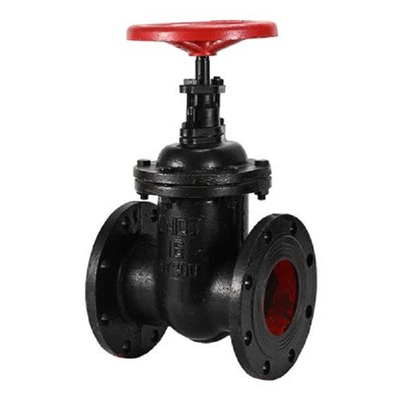

What are the standard sizes of Sanitary Flat Gate Valves?
Leave a message

Sanitary flat gate valves are crucial components in various industries, especially those that require high - level hygiene and precise fluid control. As a leading supplier of sanitary flat gate valves, I am often asked about the standard sizes of these valves. In this blog, I will delve into the details of the standard sizes, the importance of choosing the right size, and how our products meet the diverse needs of different applications.
Understanding Sanitary Flat Gate Valves
Before we discuss the standard sizes, it's essential to understand what sanitary flat gate valves are. These valves are designed to provide a tight seal and precise flow control in sanitary applications. They are commonly used in industries such as food and beverage, pharmaceuticals, and cosmetics, where cleanliness and product integrity are of utmost importance.
The flat gate design allows for a full - bore opening, which minimizes flow restrictions and reduces the risk of product buildup. This design also ensures easy cleaning and maintenance, which is crucial in sanitary environments.
Standard Sizes of Sanitary Flat Gate Valves
Sanitary flat gate valves come in a range of standard sizes to accommodate different pipe diameters and flow requirements. The most common sizing system for these valves is based on the nominal pipe size (NPS) in the United States and the metric system in many other parts of the world.
Nominal Pipe Size (NPS)
In the NPS system, the sizes typically range from 1/2" to 12". The 1/2" and 3/4" valves are often used in small - scale applications, such as laboratory equipment or small - batch production lines. These valves are suitable for low - flow rates and are easy to install in tight spaces.
The 1" to 4" valves are the most commonly used sizes in medium - sized industrial applications. They can handle moderate flow rates and are compatible with a wide range of pipe systems. For example, in a food processing plant, 2" or 3" sanitary flat gate valves might be used to control the flow of liquids such as milk or juice.
Larger NPS sizes, such as 6", 8", 10", and 12", are used in high - flow applications, such as large - scale water treatment plants or industrial pipelines. These valves can handle large volumes of fluid and are designed to withstand high pressures.
Metric Sizes
In the metric system, the sizes are specified in millimeters. Common metric sizes for sanitary flat gate valves range from DN15 (equivalent to approximately 1/2" NPS) to DN300 (equivalent to approximately 12" NPS). The metric sizing system is widely used in Europe, Asia, and other parts of the world.


The choice between NPS and metric sizes often depends on the regional standards and the existing pipe infrastructure. However, many of our sanitary flat gate valves are available in both NPS and metric sizes to provide flexibility for our customers.
Factors Influencing Size Selection
When selecting the appropriate size of a sanitary flat gate valve, several factors need to be considered:
Flow Rate
The flow rate of the fluid is one of the most critical factors. A valve that is too small for the required flow rate will cause excessive pressure drop, which can lead to inefficiencies and potential damage to the system. On the other hand, a valve that is too large can be more expensive and may not provide accurate flow control.
Pressure Rating
The pressure rating of the valve must be compatible with the operating pressure of the system. Higher - pressure applications require valves with thicker walls and stronger materials to ensure safe and reliable operation.
Pipe Size
The valve size should match the pipe size to ensure a proper fit and minimize flow disturbances. Using a valve with a different size than the pipe can lead to leaks and reduced performance.
Application Requirements
The specific requirements of the application, such as the type of fluid, temperature, and cleanliness standards, also play a role in size selection. For example, in a pharmaceutical application, a smaller valve may be preferred to minimize the volume of fluid that remains in the valve during operation, reducing the risk of contamination.
Our Product Range
As a supplier of sanitary flat gate valves, we offer a comprehensive range of sizes to meet the diverse needs of our customers. Our valves are manufactured to the highest quality standards, using premium materials such as stainless steel to ensure durability and corrosion resistance.
In addition to the standard sizes, we can also provide custom - sized valves to meet specific project requirements. Our experienced engineering team can work closely with customers to design and manufacture valves that are tailored to their exact specifications.
We also offer a variety of valve types, including Hydraulic Flat Gate Valve, Butt Welding Flat Gate Valve, and API 6A Flat Gate Valve. These valves are designed for different applications and offer unique features and benefits.
Importance of Choosing the Right Supplier
Choosing the right supplier for sanitary flat gate valves is crucial. A reliable supplier will not only provide high - quality products but also offer technical support and after - sales service.
We have a team of experts who can assist customers in selecting the right valve size and type for their applications. We also provide installation and maintenance guidance to ensure that the valves operate efficiently and safely.
Contact for Procurement and Negotiation
If you are in the market for sanitary flat gate valves, we invite you to contact us for procurement and negotiation. Our sales team is ready to discuss your specific requirements and provide you with a competitive quote. Whether you need a standard - sized valve or a custom - designed solution, we can help you find the perfect fit for your project.
References
- "Valve Handbook", by J. S. M. Campbell
- "Sanitary Design for the Food Industry", by R. Paul Singh and Dennis R. Heldman
- Industry standards and guidelines from organizations such as the American Society of Mechanical Engineers (ASME) and the International Organization for Standardization (ISO)