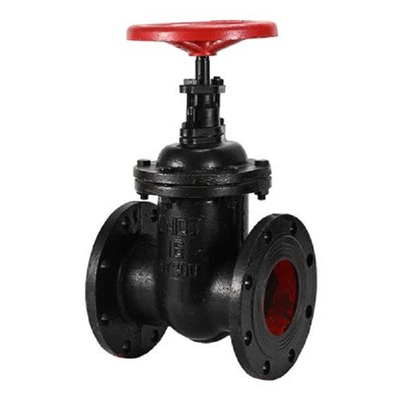

How to measure the leakage rate of a Fire Slab Gate Valve?
Leave a message

Hey there! As a supplier of Fire Slab Gate Valves, I often get asked about how to measure the leakage rate of these crucial components. Today, I'm gonna break it down for you in a simple and easy - to - understand way.
First off, why is measuring the leakage rate of a Fire Slab Gate Valve so important? Well, in a fire - fighting system, these valves play a vital role in controlling the flow of water or other extinguishing agents. Any leakage can compromise the system's effectiveness, leading to potential disasters. So, getting an accurate measurement of the leakage rate is key to ensuring the valve's proper functioning.
The Basics of Leakage Rate
The leakage rate of a Fire Slab Gate Valve refers to the amount of fluid that passes through the valve when it's supposed to be in a closed position. It's usually measured in units like liters per minute (L/min) or cubic centimeters per second (cm³/s). A low leakage rate indicates a well - functioning valve, while a high rate could mean there are issues such as damaged seals, worn - out components, or improper installation.
Measuring Methods
1. Visual Inspection
The first step in measuring the leakage rate is often a visual inspection. You can start by looking for any obvious signs of leakage around the valve body, such as wet spots, drips, or puddles. This might seem like a no - brainer, but it can actually give you a quick idea of whether there's a major problem. However, visual inspection alone isn't enough to accurately measure the leakage rate. It can only tell you that there's a leak, not how much is leaking.
2. Pressure Testing
Pressure testing is one of the most common methods for measuring the leakage rate of a Fire Slab Gate Valve. Here's how it works:
- Set up the test equipment: You'll need a pressure source, a pressure gauge, and a way to collect and measure the leaking fluid. The pressure source can be a pump that can generate the required test pressure.
- Close the valve: Make sure the valve is fully closed before starting the test.
- Apply pressure: Gradually increase the pressure to the specified test pressure. This pressure is usually determined by industry standards or the valve manufacturer's recommendations.
- Measure the leakage: Once the pressure is stable, start collecting the leaking fluid for a set period of time, say 5 minutes. Then, measure the volume of the collected fluid. Divide this volume by the time (in minutes) to get the leakage rate in L/min.
For example, if you collect 100 milliliters (0.1 L) of fluid in 5 minutes, the leakage rate is 0.1 L / 5 min = 0.02 L/min.
3. Bubble Testing
Bubble testing is a simple and effective method, especially for detecting small leaks. Here's what you do:
- Prepare a soapy solution: Mix some dish soap with water to create a soapy solution.
- Apply the solution: Use a brush or a spray bottle to apply the soapy solution to the valve's sealing surfaces, including the valve stem, body joints, and seat.
- Apply pressure: Just like in pressure testing, apply the test pressure to the valve.
- Look for bubbles: If there's a leak, the pressure will force air or fluid through the leak point, creating bubbles in the soapy solution. You can estimate the size of the leak based on the frequency and size of the bubbles. Small, slow - forming bubbles might indicate a minor leak, while large, fast - forming bubbles could mean a more significant problem.
Factors Affecting Leakage Rate
There are several factors that can affect the leakage rate of a Fire Slab Gate Valve:


- Seal quality: The quality of the valve's seals is crucial. High - quality seals are more likely to provide a tight seal and reduce leakage.
- Valve material: The material of the valve body and components can also impact the leakage rate. For example, corrosion - resistant materials are less likely to develop leaks due to rust or degradation.
- Installation: Improper installation can lead to misalignment of the valve components, which can cause leaks. Make sure the valve is installed according to the manufacturer's instructions.
- Operating conditions: High - pressure or high - temperature environments can put more stress on the valve, increasing the likelihood of leakage.
Our Product Range
As a Fire Slab Gate Valve supplier, we offer a wide range of valves to meet different needs. We have the Ultra-low Temperature Flat Gate Valve, which is designed to perform well in extremely cold conditions. Our Quick Closing Flat Gate Valve is perfect for applications where rapid shut - off is required. And for underground installations, we have the Buried Slab Gate Valve.
Importance of Regular Maintenance
Regular maintenance is essential for keeping the leakage rate of your Fire Slab Gate Valve under control. Here are some maintenance tips:
- Inspect regularly: Conduct visual inspections and pressure tests at regular intervals to catch any potential problems early.
- Replace seals: Over time, the seals in the valve will wear out. Replace them as recommended by the manufacturer.
- Lubricate moving parts: Lubricating the valve's moving parts can reduce friction and wear, helping to maintain a good seal.
Conclusion
Measuring the leakage rate of a Fire Slab Gate Valve is an important part of ensuring the safety and effectiveness of your fire - fighting system. By using methods like visual inspection, pressure testing, and bubble testing, you can accurately determine the leakage rate and take appropriate action if there are any issues. Remember, regular maintenance is key to keeping your valves in top condition.
If you're in the market for high - quality Fire Slab Gate Valves or need more information about measuring leakage rates, don't hesitate to reach out. We're here to help you make the right choice for your needs. Let's start a conversation about your procurement requirements and see how we can work together to ensure your fire - protection systems are reliable and efficient.
References
- "Valve Handbook" - A comprehensive guide on valve technology and operation.
- Industry standards for fire - fighting valves, such as NFPA (National Fire Protection Association) codes.