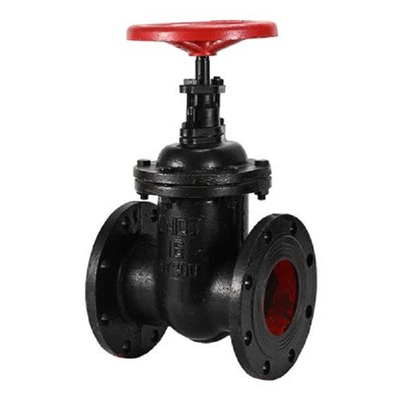

What is the opening and closing torque of a Clamp Plate Gate Valve?
Leave a message

Hey there! As a supplier of Clamp Plate Gate Valves, I often get asked about the opening and closing torque of these valves. So, I thought I'd take some time to explain what it is, why it matters, and how it affects the performance of our Clamp Plate Gate Valves.
What is Torque?
First things first, let's talk about what torque is. Torque is basically a measure of the force that causes an object to rotate around an axis. In the context of a Clamp Plate Gate Valve, torque is the force you need to apply to the valve's actuator (like a handwheel or a motor) to open or close the valve.
You can think of it like trying to open a stubborn jar lid. The more force you need to twist the lid, the higher the torque. Similarly, the opening and closing torque of a Clamp Plate Gate Valve tells us how much force is required to operate the valve.
Opening Torque of a Clamp Plate Gate Valve
The opening torque is the amount of force needed to start moving the gate of the valve from its closed position. There are several factors that can affect the opening torque:
- Seating Force: When the valve is closed, the gate is pressed against the valve seats to create a tight seal. This seating force can make it harder to start opening the valve, as you need to overcome the friction between the gate and the seats.
- Fluid Pressure: The pressure of the fluid inside the pipeline also plays a role. If the fluid pressure is high, it can push against the gate, increasing the force required to open the valve.
- Friction: There's friction between the moving parts of the valve, like the stem and the packing. This friction adds to the overall opening torque.
For example, in a high - pressure pipeline, the opening torque of our Clamp Plate Gate Valve might be significantly higher compared to a low - pressure system. That's why we design our valves to handle different pressure ranges, ensuring that the opening torque remains within a reasonable limit.
Closing Torque of a Clamp Plate Gate Valve
The closing torque is the force needed to move the gate from its open position back to the closed position. Similar to the opening torque, it's affected by multiple factors:
- Seating Requirement: To ensure a proper seal, the gate needs to be firmly pressed against the seats when closing. This requires a certain amount of force, which contributes to the closing torque.
- Fluid Flow: The flow of the fluid in the pipeline can either assist or resist the closing of the valve. If the fluid is flowing in the direction that helps push the gate towards the closed position, the closing torque might be lower. On the other hand, if the flow opposes the closing movement, the torque will be higher.
- Mechanical Resistance: The mechanical design of the valve, such as the thread pitch of the stem, can also affect the closing torque. A finer thread pitch might require more turns of the actuator but less force per turn.
Why Does Torque Matter?
Understanding the opening and closing torque is crucial for several reasons:
- Actuator Selection: The torque requirements determine the size and type of actuator needed to operate the valve. If the torque is too high for the actuator, the valve might not open or close properly. For instance, if you choose an undersized actuator for a valve with high torque requirements, it could lead to actuator failure or an unreliable valve operation.
- Valve Performance: Proper torque values ensure that the valve can open and close smoothly and create a tight seal. If the torque is inconsistent or too high, it can cause premature wear and tear of the valve components, leading to leaks or valve malfunction.
- Safety: Incorrect torque values can pose safety risks. For example, if the opening torque is too high and an operator tries to force the valve open, it could cause damage to the valve or even result in a pipeline rupture.
Our Clamp Plate Gate Valves and Torque
At our company, we take torque seriously. We use advanced engineering techniques and high - quality materials to minimize the opening and closing torque of our Clamp Plate Gate Valves.
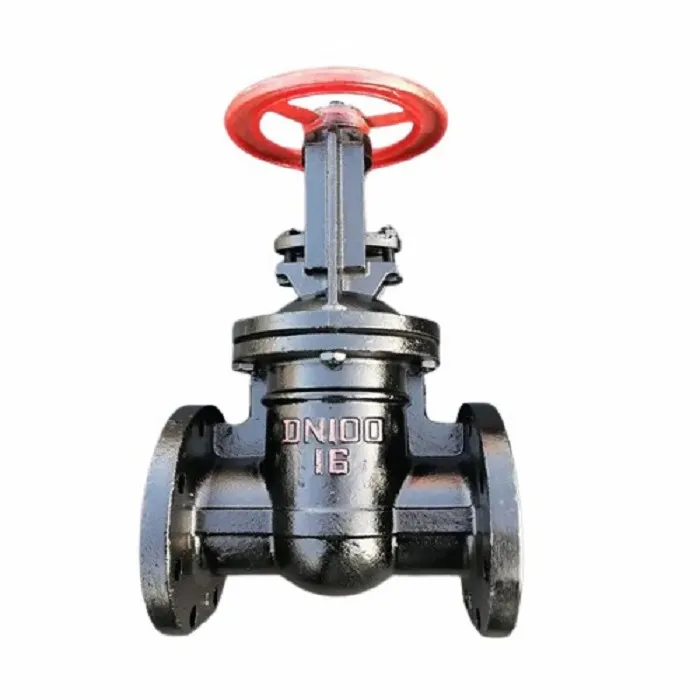
We have a wide range of valves to suit different applications. For example, our Wafer Flat Gate Valve is designed for applications where space is limited. These valves are engineered to have low torque requirements, making them easy to operate even in tight spaces.
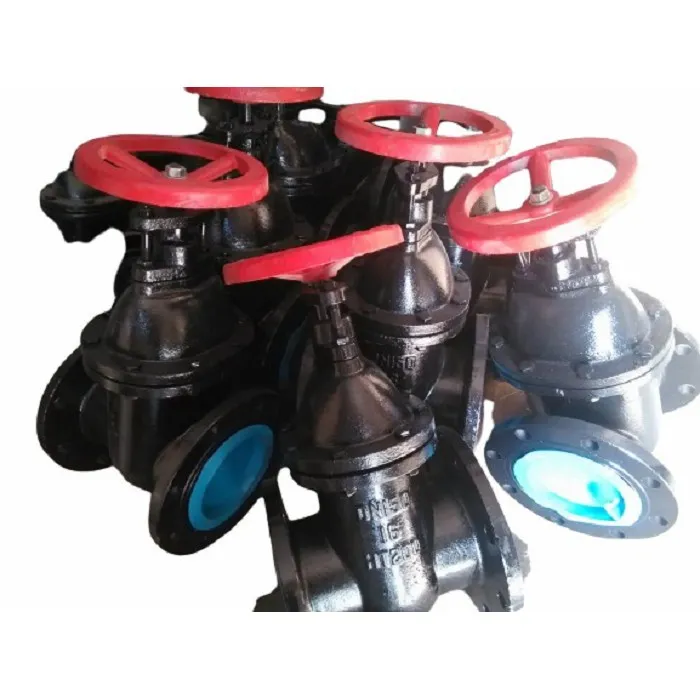
Our Gray Cast Iron Flat Gate Valve is a popular choice for general - purpose applications. The cast iron construction provides durability, and we've optimized the design to keep the torque values within an acceptable range for most common operating conditions.
If you're in the chemical industry, our Chemical Grade Flat Gate Valve is a great option. It's designed to handle corrosive chemicals, and the valve's torque characteristics are carefully calibrated to ensure reliable operation in harsh chemical environments.
How We Test Torque
We conduct rigorous testing on our Clamp Plate Gate Valves to measure the opening and closing torque. We use specialized torque testing equipment to simulate real - world operating conditions. During the testing, we record the torque values at different stages of the valve's operation, ensuring that they meet our quality standards.
We also test our valves under various pressure and temperature conditions. This helps us understand how the torque changes with different operating parameters and allows us to make any necessary adjustments to the valve design.
Importance of Choosing the Right Valve
Selecting the right Clamp Plate Gate Valve with appropriate opening and closing torque is essential for the overall performance of your pipeline system. A valve with the wrong torque characteristics can lead to inefficiencies, increased maintenance costs, and even safety hazards.
When you're considering a valve for your project, make sure to consult with our experts. We can help you choose the valve that best suits your specific requirements, taking into account factors like fluid type, pressure, temperature, and flow rate.
Let's Talk
If you're in the market for a Clamp Plate Gate Valve and want to learn more about our products, or if you have any questions about opening and closing torque, don't hesitate to reach out. We're here to help you make the right choice for your application. Whether it's a small - scale project or a large industrial installation, we have the expertise and the products to meet your needs.
References
- Valve Handbook, Valve Manufacturers Association
- Pipeline Engineering and Construction Standards
So, that's a wrap on the opening and closing torque of Clamp Plate Gate Valves. I hope this blog has given you a better understanding of this important topic. If you have any more questions, feel free to ask!