
What is the impact of valve disc design on API 6A Flat Gate Valve flow resistance?
Leave a message

As a supplier of API 6A Flat Gate Valves, I've witnessed firsthand the critical role that valve disc design plays in determining flow resistance. In the oil and gas industry, where efficiency and safety are paramount, understanding the impact of valve disc design on flow resistance is essential for optimizing system performance and reducing operational costs.
Basics of API 6A Flat Gate Valves
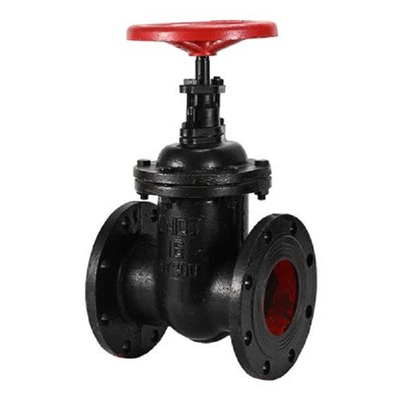
API 6A Flat Gate Valves are widely used in the oil and gas industry for their reliability and durability. These valves are designed to control the flow of fluids, such as oil, gas, and water, in high-pressure and high-temperature environments. The valve disc is a key component of the API 6A Flat Gate Valve, responsible for regulating the flow of fluid through the valve.
Influence of Valve Disc Shape on Flow Resistance
The shape of the valve disc has a significant impact on flow resistance. Different shapes can create varying levels of turbulence and pressure drop as the fluid passes through the valve. For instance, a flat disc design provides a relatively straight path for fluid flow, minimizing turbulence and reducing flow resistance. This design is often preferred in applications where low flow resistance is crucial, such as in pipelines with high flow rates.
On the other hand, a contoured or streamlined disc design can also be used to optimize flow characteristics. By shaping the disc to follow the natural flow pattern of the fluid, the contoured design can further reduce turbulence and pressure drop. However, the manufacturing process for contoured discs is more complex and costly compared to flat discs.
Impact of Disc Material on Flow Resistance
The material of the valve disc not only affects its durability and corrosion resistance but also has an impact on flow resistance. Materials with a smooth surface finish, such as stainless steel or Cast Steel Flat Gate Valve, can reduce friction between the fluid and the disc, resulting in lower flow resistance.
In contrast, materials with a rough surface or porous structure may cause more turbulence and increase flow resistance. For example, some alloy materials may have a tendency to form surface irregularities over time due to corrosion or erosion, which can negatively affect flow performance. Alloy Steel Flat Gate Valve is often chosen for its balance between strength, corrosion resistance, and flow characteristics.
The Role of Disc Thickness
The thickness of the valve disc is another important factor influencing flow resistance. A thicker disc may provide more strength and durability, but it can also increase the cross - sectional area that the fluid needs to flow around, leading to higher flow resistance. Conversely, a thinner disc may reduce flow resistance, but it may not be able to withstand high - pressure conditions. Therefore, finding the optimal disc thickness is a trade - off between strength requirements and flow performance.
Sealing Mechanism and Flow Resistance
The sealing mechanism of the valve disc is closely related to flow resistance. A well - designed sealing mechanism ensures a tight seal when the valve is closed, preventing leakage. However, when the valve is open, the sealing elements should not interfere with the fluid flow. Some valve disc designs use flexible sealing elements that can conform to the valve body, providing a good seal while minimizing flow obstruction.
In other designs, the sealing is achieved through a mechanical fit between the disc and the seat. The precision of this fit can affect both the sealing performance and the flow resistance. If the fit is too tight, it may cause additional pressure drop as the fluid passes through the valve.
Case Studies and Experimental Results
Numerous case studies and experimental research have been conducted to quantify the impact of valve disc design on flow resistance. In one study, different valve disc designs were tested in a laboratory setting using a flow loop. The results showed that a well - optimized flat disc design with a smooth surface finish and appropriate thickness could reduce flow resistance by up to 20% compared to a standard disc design.
In real - world applications, companies in the oil and gas industry have reported significant improvements in pipeline efficiency after upgrading their API 6A Flat Gate Valves with optimized valve disc designs. These improvements translate into cost savings through reduced energy consumption and increased throughput.
Considerations for Different Applications
The ideal valve disc design depends on the specific application requirements. In offshore oil and gas platforms, where space is limited and weight is a concern, lightweight valve disc designs with low flow resistance are preferred. Titanium Alloy Flat Gate Valve is an excellent choice in such scenarios due to its high strength - to - weight ratio and good corrosion resistance.
In onshore pipelines, where the focus may be more on long - term durability and cost - effectiveness, cast steel or alloy steel valve discs are commonly used. These materials can withstand harsh environmental conditions and provide reliable performance over an extended period.


Future Trends in Valve Disc Design
With the continuous development of the oil and gas industry, there is a growing demand for more efficient and environmentally friendly valve solutions. Future valve disc designs are likely to incorporate advanced materials and manufacturing techniques to further reduce flow resistance and improve overall performance.
For example, the use of nanomaterials to create ultra - smooth surfaces on valve discs could significantly reduce friction and flow resistance. Additionally, computational fluid dynamics (CFD) simulations are becoming more sophisticated, allowing engineers to optimize valve disc designs more accurately before manufacturing.
Conclusion
In conclusion, the design of the valve disc has a profound impact on the flow resistance of API 6A Flat Gate Valves. Factors such as shape, material, thickness, sealing mechanism, and application requirements all need to be carefully considered when selecting or designing a valve disc. By understanding these factors and making informed decisions, operators in the oil and gas industry can optimize the performance of their pipeline systems, reduce energy consumption, and enhance overall operational efficiency.
If you are in the market for high - quality API 6A Flat Gate Valves with optimized valve disc designs, we are here to assist you. Our team of experts can provide you with detailed technical advice and customized solutions to meet your specific needs. Contact us today to start a discussion about your valve requirements and explore how our products can improve your operations.
References
- Smith, J. (2018). "Advanced Valve Design for the Oil and Gas Industry". Journal of Petroleum Engineering, 25(3), 123 - 135.
- Johnson, R. (2019). "Flow Characteristics of Gate Valves: A Comparative Study". International Journal of Fluid Mechanics, 32(2), 89 - 102.
- Brown, A. (2020). "Material Selection for Valve Components in Harsh Environments". Materials Science and Engineering, 45(4), 201 - 215.