
What is the difference between a Ductile Flat Gate Valve and a globe valve?
Leave a message

In the realm of industrial valves, choosing the right type for a specific application is crucial. Two commonly used valves are the Ductile Flat Gate Valve and the globe valve. As a Ductile Flat Gate Valve supplier, I often encounter inquiries about the differences between these two valve types. In this blog post, I will delve into the key distinctions between Ductile Flat Gate Valves and globe valves, exploring their design, functionality, applications, and advantages.
Design and Structure
The design of a valve significantly influences its performance and suitability for various applications. Ductile Flat Gate Valves and globe valves have distinct structural characteristics.
Ductile Flat Gate Valve
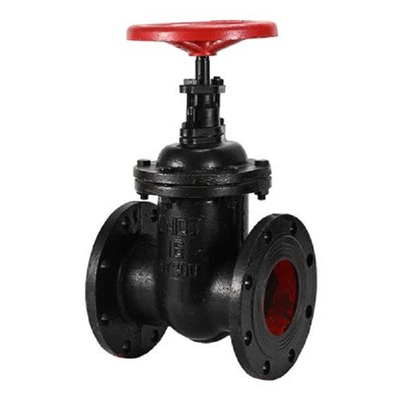
A Ductile Flat Gate Valve features a flat gate that moves perpendicular to the flow direction to open or close the valve. The gate is typically a flat plate that slides between two seats. This design allows for a full-bore opening when the valve is fully open, minimizing flow resistance and pressure drop. The valve body is usually made of ductile iron, which offers excellent strength, durability, and corrosion resistance. Our company offers a range of Ductile Flat Gate Valves, including Ferrule Flat Gate Valve, Cast Steel Flat Gate Valve, and Full Bore Slab Gate Valve, each designed to meet specific industrial requirements.
Globe Valve
In contrast, a globe valve has a spherical body with an internal baffle that divides the valve into two chambers. The disc, which is connected to a stem, moves perpendicular to the seat to control the flow. The flow path in a globe valve is more tortuous compared to a Ductile Flat Gate Valve, resulting in higher flow resistance and pressure drop. However, this design allows for more precise flow control, making globe valves suitable for applications where accurate regulation of flow rate is required.
Functionality
The functionality of a valve determines its ability to perform specific tasks effectively. Let's compare the functionality of Ductile Flat Gate Valves and globe valves.
Ductile Flat Gate Valve
Ductile Flat Gate Valves are primarily used for on-off applications, where the valve is either fully open or fully closed. When the valve is fully open, the flat gate provides a straight-through flow path, allowing for unrestricted flow of fluids. This makes Ductile Flat Gate Valves ideal for applications where minimal pressure drop and high flow capacity are required, such as in water supply systems, sewage treatment plants, and oil and gas pipelines.
Globe Valve
Globe valves are designed for throttling applications, where the flow rate needs to be adjusted precisely. The disc in a globe valve can be positioned at various points between fully open and fully closed, allowing for accurate control of the flow rate. This makes globe valves suitable for applications such as regulating the flow of steam in power plants, controlling the flow of chemicals in chemical processing plants, and adjusting the flow of water in heating and cooling systems.


Applications
The choice of valve depends on the specific application requirements. Let's explore the typical applications of Ductile Flat Gate Valves and globe valves.
Ductile Flat Gate Valve
Ductile Flat Gate Valves are widely used in a variety of industries due to their excellent performance and reliability. Some common applications include:
- Water Supply Systems: Ductile Flat Gate Valves are used in water distribution networks to control the flow of water. Their full-bore design allows for efficient water flow, reducing energy consumption and minimizing pressure losses.
- Sewage Treatment Plants: In sewage treatment plants, Ductile Flat Gate Valves are used to control the flow of wastewater. Their corrosion-resistant properties make them suitable for handling harsh sewage environments.
- Oil and Gas Pipelines: Ductile Flat Gate Valves are used in oil and gas pipelines to control the flow of crude oil, natural gas, and other petroleum products. Their high-pressure and high-temperature resistance make them suitable for demanding pipeline applications.
Globe Valve
Globe valves are commonly used in applications where precise flow control is required. Some typical applications include:
- Power Plants: In power plants, globe valves are used to regulate the flow of steam in steam turbines. Their ability to provide accurate flow control ensures efficient operation of the power generation system.
- Chemical Processing Plants: Globe valves are used in chemical processing plants to control the flow of chemicals. Their precise flow control capabilities help maintain the desired chemical reactions and ensure product quality.
- Heating and Cooling Systems: In heating and cooling systems, globe valves are used to adjust the flow of water or refrigerant. Their ability to regulate the flow rate helps maintain the desired temperature and energy efficiency.
Advantages
Both Ductile Flat Gate Valves and globe valves offer certain advantages, depending on the application requirements. Let's compare the advantages of these two valve types.
Ductile Flat Gate Valve
- Low Pressure Drop: The full-bore design of Ductile Flat Gate Valves results in minimal pressure drop, reducing energy consumption and operating costs.
- High Flow Capacity: Ductile Flat Gate Valves provide a straight-through flow path, allowing for high flow capacity and efficient fluid transfer.
- Corrosion Resistance: The ductile iron construction of Ductile Flat Gate Valves offers excellent corrosion resistance, making them suitable for use in harsh environments.
- Reliable Sealing: The flat gate design of Ductile Flat Gate Valves provides a reliable seal, preventing leakage and ensuring long-term performance.
Globe Valve
- Precise Flow Control: Globe valves offer precise flow control, allowing for accurate regulation of flow rate and pressure.
- Quick Shut-Off: Globe valves can be closed quickly, making them suitable for applications where rapid shut-off is required.
- Versatility: Globe valves can be used in a wide range of applications, including high-pressure and high-temperature systems.
- Easy Maintenance: Globe valves are relatively easy to maintain, with simple construction and accessible components.
Conclusion
In conclusion, Ductile Flat Gate Valves and globe valves have distinct design, functionality, applications, and advantages. Ductile Flat Gate Valves are ideal for on-off applications where low pressure drop and high flow capacity are required, while globe valves are suitable for throttling applications where precise flow control is essential. As a Ductile Flat Gate Valve supplier, I understand the importance of choosing the right valve for your specific application. If you are looking for high-quality Ductile Flat Gate Valves or need assistance in selecting the appropriate valve for your project, please feel free to contact us. We are committed to providing you with the best valve solutions and excellent customer service.
References
- Valve Handbook, 4th Edition, by Robert W. Darby
- Industrial Valves: Selection and Sizing, by Anthony M. Sliepcevich
- Valve Technology Handbook, by David W. Spitzer