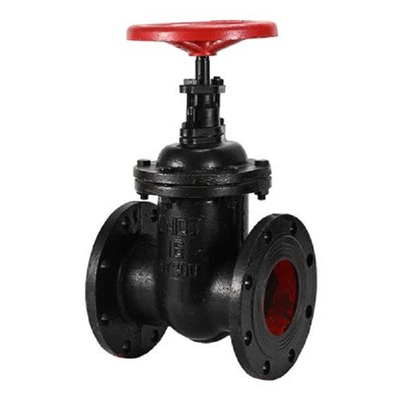

What is the difference between a butt welding flat gate valve and a flanged gate valve?
Leave a message

What is the difference between a butt welding flat gate valve and a flanged gate valve?
As a supplier of Butt Welding Flat Gate Valves, I often encounter inquiries from customers about the differences between butt welding flat gate valves and flanged gate valves. Understanding these differences is crucial for making the right choice in various industrial applications. In this blog, I will delve into the key aspects that set these two types of gate valves apart.
Structural Differences
The most obvious difference between butt welding flat gate valves and flanged gate valves lies in their connection methods. A butt welding flat gate valve is designed to be welded directly to the pipeline. This type of connection provides a seamless and continuous flow path, which is beneficial for applications where leakage prevention is of utmost importance. The welding process ensures a strong and permanent bond between the valve and the pipeline, eliminating the need for additional sealing elements at the connection point.


On the other hand, a flanged gate valve uses flanges to connect to the pipeline. Flanges are flat, circular discs with holes around the perimeter. Bolts are inserted through these holes to secure the valve to the pipeline flanges. This connection method allows for easy installation and removal of the valve, which is particularly useful for maintenance or replacement purposes. However, the flanged connection requires proper gasket installation to prevent leakage, and the bolts need to be tightened to the correct torque to ensure a reliable seal.
Installation and Maintenance
Installation of a butt welding flat gate valve is a more complex and time - consuming process compared to a flanged gate valve. Welding requires skilled labor and specialized equipment. The pipeline and the valve need to be properly aligned before welding to ensure a high - quality joint. After welding, non - destructive testing such as ultrasonic testing or radiographic testing may be required to check the integrity of the weld. Once installed, butt welding flat gate valves are less likely to experience connection - related leakage problems, but if a valve needs to be replaced, the welding has to be cut, which can be a difficult and costly operation.
In contrast, flanged gate valves are relatively easy to install. The flanges can be quickly aligned, and the bolts can be tightened using simple tools. If maintenance or replacement is needed, the bolts can be loosened, and the valve can be removed without damaging the pipeline. This ease of installation and maintenance makes flanged gate valves a popular choice in applications where valve access and replacement are frequent.
Pressure and Temperature Resistance
Butt welding flat gate valves generally offer better pressure and temperature resistance compared to flanged gate valves. The welded connection provides a stronger and more rigid joint, which can withstand higher pressure and temperature variations without leakage. In high - pressure and high - temperature applications such as in oil and gas pipelines, power plants, and chemical processing industries, butt welding flat gate valves are often preferred.
Flanged gate valves, while capable of handling a wide range of pressures and temperatures, may have limitations due to the gasket used in the flanged connection. Gaskets can degrade over time, especially under extreme conditions, which may lead to leakage. Therefore, in applications where the pressure and temperature are relatively stable and not extremely high, flanged gate valves can be a cost - effective solution.
Flow Characteristics
Both butt welding flat gate valves and flanged gate valves are designed to provide a full - bore flow path when fully open. However, the butt welding flat gate valve may offer slightly better flow characteristics due to its seamless connection. The absence of a gasket or flange protrusion inside the pipeline reduces flow resistance and turbulence, resulting in a more efficient flow. This can be beneficial in applications where minimizing pressure drop is important, such as in long - distance pipelines.
Flanged gate valves, although they also provide a full - bore flow, may have a small amount of flow disruption at the flanged connection due to the presence of the gasket and the flange surface. However, this difference in flow characteristics is usually negligible in most applications.
Application Scenarios
Butt welding flat gate valves are commonly used in applications where reliability, high - pressure and high - temperature resistance, and low leakage are critical. Some typical applications include Natural Gas Pipeline Flat Gate Valve systems, refineries, and high - pressure steam lines. Their welded connection ensures a long - term and reliable operation in harsh environments.
Flanged gate valves are widely used in various industries where ease of installation, maintenance, and cost - effectiveness are important. They are commonly found in water treatment plants, HVAC systems, and general industrial pipelines. In addition, flanged gate valves are also suitable for applications where the pipeline system needs to be easily modified or expanded, such as in building construction projects.
Cost Considerations
The cost of a butt welding flat gate valve is generally higher than that of a flanged gate valve. The cost of the valve itself may be similar, but the installation cost of a butt welding flat gate valve is significantly higher due to the need for welding equipment, skilled labor, and non - destructive testing. In addition, if a valve needs to be replaced, the cost of cutting the weld and reinstalling a new valve can be substantial.
Flanged gate valves are more cost - effective in terms of installation and maintenance. The lower installation cost and the ease of replacement make them a more economical choice for applications where the initial investment and long - term maintenance cost are important factors.
In conclusion, the choice between a butt welding flat gate valve and a flanged gate valve depends on various factors such as application requirements, installation and maintenance needs, pressure and temperature conditions, and cost considerations. As a supplier of Butt Welding Flat Gate Valves, I can provide professional advice to help you select the most suitable valve for your specific application. If you are interested in our products or have any questions about gate valves, including Wafer Flat Gate Valve and Sprocket Plate Gate Valve, please feel free to contact us for further discussion and procurement negotiation.
References
- Valve Handbook, 4th Edition, by J. S. Beranek
- Industrial Valves: Selection, Specification, and Installation, by R. A. Streeter