
What is the acoustic performance of ISO Slab Gate Valve?
Leave a message

What is the acoustic performance of ISO Slab Gate Valve?
As a supplier of ISO Slab Gate Valves, I've been frequently asked about the acoustic performance of these valves. In this blog, I'll delve into the key aspects of the acoustic performance of ISO Slab Gate Valves, providing insights that can help you understand their behavior in various applications.
Understanding Acoustic Performance in Valves
Acoustic performance in valves refers to how they interact with the fluid flow and the generation and propagation of sound. When fluid passes through a valve, it can cause vibrations and pressure fluctuations, which in turn generate noise. In industrial settings, excessive noise can be a significant issue, not only for the comfort of workers but also for compliance with environmental noise regulations.
For ISO Slab Gate Valves, their acoustic performance is influenced by several factors, including the valve design, the operating conditions, and the characteristics of the fluid being handled.
Valve Design and Acoustic Performance
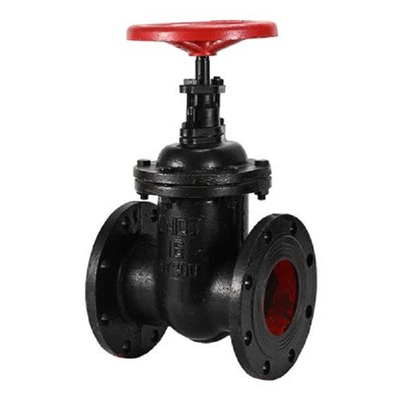
The design of an ISO Slab Gate Valve plays a crucial role in its acoustic performance. These valves typically consist of a gate that slides between two seats to control the flow of fluid. The shape and smoothness of the gate and seats can have a significant impact on the noise generated during operation.
A well - designed ISO Slab Gate Valve will have a streamlined gate and seats that minimize turbulence in the fluid flow. Turbulence is a major source of noise in valves, as it causes rapid changes in pressure and velocity. By reducing turbulence, the valve can operate more quietly.
For example, some ISO Slab Gate Valves are designed with a full - bore opening, which means that the internal diameter of the valve is the same as the pipe diameter. This design allows for a more uniform flow of fluid, reducing the likelihood of turbulence and noise generation.
In addition, the materials used in the construction of the valve can also affect its acoustic performance. Valves made from high - quality materials with good damping properties can absorb some of the vibrations generated by the fluid flow, reducing the overall noise level.
Operating Conditions and Acoustic Performance
The operating conditions of an ISO Slab Gate Valve also have a significant impact on its acoustic performance. Factors such as the flow rate, pressure, and temperature of the fluid can all influence the noise generated by the valve.
At high flow rates, the fluid velocity through the valve increases, which can lead to more turbulence and noise. Similarly, high pressures can cause the fluid to flow more forcefully through the valve, increasing the likelihood of noise generation. Temperature can also affect the acoustic performance of the valve, as changes in temperature can cause the materials in the valve to expand or contract, potentially altering the fit between the gate and seats and increasing noise.
It's important to note that the acoustic performance of an ISO Slab Gate Valve may vary depending on whether it is fully open, fully closed, or partially open. When the valve is partially open, the fluid flow is restricted, which can cause more turbulence and noise compared to when the valve is fully open.
Fluid Characteristics and Acoustic Performance
The characteristics of the fluid being handled by the ISO Slab Gate Valve can also affect its acoustic performance. Fluids with high viscosity, for example, tend to flow more slowly and smoothly, which can result in less noise compared to low - viscosity fluids.
The presence of solids or bubbles in the fluid can also have an impact on the acoustic performance of the valve. Solids can cause abrasion and wear on the valve components, which can lead to increased noise over time. Bubbles can collapse and generate shock waves, which can also contribute to noise.
Comparing with Other Types of Gate Valves
When considering the acoustic performance of ISO Slab Gate Valves, it's useful to compare them with other types of gate valves, such as Ferrule Flat Gate Valve and Wafer Flat Gate Valve.
Ferrule Flat Gate Valves are often used in smaller - scale applications and may have different acoustic characteristics compared to ISO Slab Gate Valves. Their design may be more suitable for low - flow and low - pressure applications, and they may generate less noise in these conditions.
Wafer Flat Gate Valves, on the other hand, are designed to be installed between flanges and are commonly used in piping systems. Their acoustic performance can also vary depending on their design and operating conditions. However, in general, ISO Slab Gate Valves are known for their robust design and good acoustic performance in a wide range of industrial applications.


Another type of valve to mention is the Building Slab Gate Valve. These valves are typically used in building plumbing systems. While they may have different requirements and design features compared to industrial ISO Slab Gate Valves, the principles of acoustic performance still apply.
Measuring and Evaluating Acoustic Performance
To accurately assess the acoustic performance of an ISO Slab Gate Valve, several methods can be used. One common approach is to measure the sound pressure level (SPL) generated by the valve during operation. This can be done using a sound level meter placed at a specific distance from the valve.
In addition to measuring the SPL, it's also important to consider the frequency spectrum of the noise. Different frequencies of noise can have different effects on human health and the environment. For example, high - frequency noise can be more annoying and may cause more damage to hearing.
Valve manufacturers often conduct acoustic tests on their products to ensure that they meet industry standards and customer requirements. These tests can provide valuable information about the noise levels and frequency characteristics of the valves under different operating conditions.
Importance of Good Acoustic Performance
Good acoustic performance is essential for ISO Slab Gate Valves in many applications. In industrial settings, excessive noise can be a safety hazard, as it can interfere with communication between workers and make it difficult to hear warning signals. It can also lead to employee fatigue and hearing loss over time.
In addition, many industries are subject to strict environmental noise regulations. Using ISO Slab Gate Valves with good acoustic performance can help companies comply with these regulations and avoid potential fines.
In building applications, quiet - operating valves are highly desirable, as they can improve the comfort of building occupants. Noisy valves in a plumbing system can be a nuisance, especially in residential and commercial buildings.
Contact for Purchase and Consultation
If you're interested in learning more about the acoustic performance of our ISO Slab Gate Valves or are considering purchasing them for your application, we'd be more than happy to assist you. Our team of experts can provide you with detailed information about the valves, including their acoustic characteristics, and help you select the right valve for your specific needs.
We understand that every application is unique, and we're committed to providing high - quality products and excellent customer service. Whether you're in the industrial, building, or any other sector, our ISO Slab Gate Valves can offer reliable performance and good acoustic behavior.
Don't hesitate to reach out to us for further discussion and to start the purchasing process. We look forward to working with you to meet your valve requirements.
References
- ASME B16.34 - 2017, “Valves - Flanged, Threaded, and Welding End”.
- ISO 5208 - 2015, “Industrial valves - Pressure testing of valves”.
- API 6D - 2021, “Pipeline Valves - Specification for Pipeline Valves”.