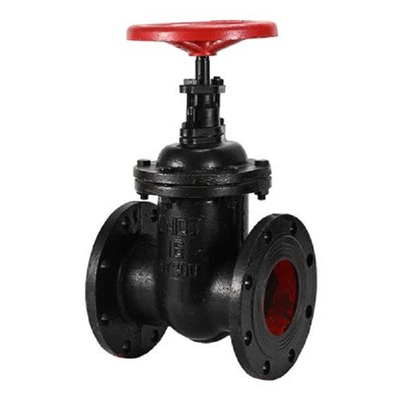

What are the thermal expansion characteristics of a Wafer Flat Gate Valve?
Leave a message

As a supplier of Wafer Flat Gate Valves, understanding the thermal expansion characteristics of these valves is crucial. Thermal expansion can significantly impact the performance, reliability, and lifespan of the valve, especially in applications where temperature variations are common. In this blog post, we will explore the thermal expansion characteristics of Wafer Flat Gate Valves, including how it affects the valve's operation and what considerations should be taken into account during installation and use.
Understanding Thermal Expansion
Thermal expansion is a natural phenomenon that occurs when a material changes its dimensions in response to a change in temperature. When a material is heated, its molecules gain energy and start to vibrate more vigorously, causing the material to expand. Conversely, when a material is cooled, its molecules lose energy, and the material contracts. The amount of expansion or contraction depends on several factors, including the type of material, the magnitude of the temperature change, and the material's coefficient of thermal expansion (CTE).
The CTE is a measure of how much a material expands or contracts per unit length per degree of temperature change. Different materials have different CTEs, which means they will expand or contract at different rates when exposed to the same temperature change. For example, metals generally have higher CTEs than ceramics, which means they will expand more when heated.
Thermal Expansion in Wafer Flat Gate Valves
Wafer Flat Gate Valves are typically made from a variety of materials, including metals such as stainless steel, carbon steel, and alloy steel. These materials have different CTEs, which can lead to differential thermal expansion within the valve. When the valve is exposed to temperature changes, the different parts of the valve may expand or contract at different rates, which can cause stress and deformation.
One of the main concerns with thermal expansion in Wafer Flat Gate Valves is the potential for leakage. As the valve expands or contracts, the sealing surfaces may become misaligned, leading to gaps between the valve components. These gaps can allow fluid to leak past the valve, which can compromise the integrity of the system and lead to safety hazards.
Another concern is the potential for valve binding. When the valve components expand or contract at different rates, they may become jammed or stuck, preventing the valve from opening or closing properly. This can lead to operational problems and may require the valve to be replaced.
Factors Affecting Thermal Expansion in Wafer Flat Gate Valves
Several factors can affect the thermal expansion characteristics of Wafer Flat Gate Valves. These include:


- Material Selection: The type of material used to manufacture the valve will have a significant impact on its thermal expansion characteristics. As mentioned earlier, different materials have different CTEs, so choosing the right material for the application is crucial. For example, if the valve will be exposed to high temperatures, a material with a low CTE, such as ceramics or certain alloys, may be more suitable.
- Temperature Range: The magnitude of the temperature change that the valve will be exposed to is another important factor. Larger temperature changes will result in greater expansion or contraction, which can increase the risk of leakage and valve binding. It is important to consider the maximum and minimum temperatures that the valve will encounter during its operation and select a valve that can withstand these conditions.
- Valve Design: The design of the valve can also affect its thermal expansion characteristics. For example, valves with a more flexible design may be better able to accommodate thermal expansion without experiencing stress or deformation. Additionally, the use of expansion joints or other flexible components can help to reduce the impact of thermal expansion on the valve.
- Installation and Maintenance: Proper installation and maintenance are essential for ensuring the optimal performance of Wafer Flat Gate Valves. During installation, it is important to follow the manufacturer's guidelines and ensure that the valve is properly aligned and tightened. Regular maintenance, including inspection and lubrication, can help to prevent problems caused by thermal expansion and ensure the long-term reliability of the valve.
Mitigating the Effects of Thermal Expansion
To mitigate the effects of thermal expansion in Wafer Flat Gate Valves, several strategies can be employed. These include:
- Material Selection: As mentioned earlier, choosing the right material for the application is crucial. Selecting a material with a low CTE can help to reduce the amount of expansion or contraction that the valve will experience.
- Thermal Insulation: Adding thermal insulation to the valve can help to reduce the impact of temperature changes on the valve. Insulation can help to maintain a more consistent temperature within the valve, reducing the risk of differential thermal expansion.
- Expansion Joints: Using expansion joints or other flexible components in the valve design can help to accommodate thermal expansion without causing stress or deformation. Expansion joints can absorb the movement caused by thermal expansion, preventing it from being transferred to the valve components.
- Proper Installation and Maintenance: As mentioned earlier, proper installation and maintenance are essential for ensuring the optimal performance of Wafer Flat Gate Valves. Following the manufacturer's guidelines and performing regular maintenance can help to prevent problems caused by thermal expansion and ensure the long-term reliability of the valve.
Applications and Considerations
Wafer Flat Gate Valves are used in a wide range of applications, including oil and gas, chemical processing, power generation, and water treatment. In each of these applications, the thermal expansion characteristics of the valve must be carefully considered to ensure its proper operation.
- Oil and Gas Industry: In the oil and gas industry, Wafer Flat Gate Valves are often used in high-pressure and high-temperature applications. The valves must be able to withstand the extreme conditions of the oil and gas wells, including high temperatures, high pressures, and corrosive environments. When selecting a valve for these applications, it is important to choose a material that can withstand the harsh conditions and has a low CTE to reduce the risk of thermal expansion.
- Chemical Processing Industry: In the chemical processing industry, Wafer Flat Gate Valves are used to control the flow of various chemicals and fluids. The valves must be able to resist corrosion and chemical attack, as well as the effects of thermal expansion. When selecting a valve for these applications, it is important to choose a material that is compatible with the chemicals being processed and has a low CTE to reduce the risk of leakage and valve binding.
- Power Generation Industry: In the power generation industry, Wafer Flat Gate Valves are used in steam and water systems. The valves must be able to withstand high temperatures and pressures, as well as the effects of thermal expansion. When selecting a valve for these applications, it is important to choose a material that can withstand the extreme conditions and has a low CTE to reduce the risk of thermal expansion.
- Water Treatment Industry: In the water treatment industry, Wafer Flat Gate Valves are used to control the flow of water and other fluids. The valves must be able to resist corrosion and the effects of thermal expansion. When selecting a valve for these applications, it is important to choose a material that is compatible with the water being treated and has a low CTE to reduce the risk of leakage and valve binding.
Conclusion
In conclusion, understanding the thermal expansion characteristics of Wafer Flat Gate Valves is essential for ensuring their proper operation and reliability. Thermal expansion can have a significant impact on the performance of the valve, including leakage, valve binding, and stress and deformation. By considering the factors that affect thermal expansion, such as material selection, temperature range, valve design, and installation and maintenance, and by employing strategies to mitigate its effects, such as material selection, thermal insulation, expansion joints, and proper installation and maintenance, the risks associated with thermal expansion can be minimized.
If you are in the market for a Wafer Flat Gate Valve, we invite you to explore our range of products, including Internal Thread Slab Gate Valve, Reduced Diameter Slab Gate Valve, and Flat Gate Valve for Power Station. Our team of experts can help you select the right valve for your application and provide you with the support and guidance you need to ensure its proper installation and operation. Contact us today to discuss your requirements and start the procurement process.
References
- ASME Boiler and Pressure Vessel Code, Section VIII, Division 1
- API 6D - Specification for Pipeline Valves
- ISO 14313 - Petroleum and natural gas industries - Pipeline transportation systems - Pipeline valves