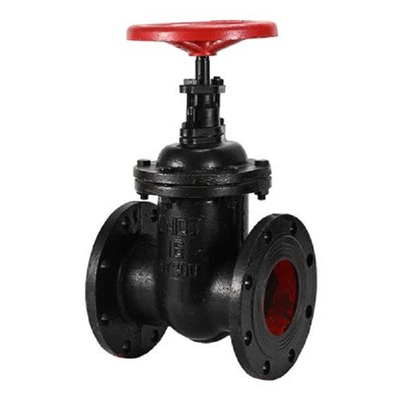

What are the performance requirements of a building slab gate valve in a high - flow system?
Leave a message

In high - flow systems, building slab gate valves play a crucial role in controlling the flow of fluids. As a supplier of building slab gate valves, I understand the significance of meeting the performance requirements in such demanding environments. This blog will delve into the key performance requirements of building slab gate valves in high - flow systems.
1. Pressure Resistance
One of the primary performance requirements for a building slab gate valve in a high - flow system is its ability to withstand high pressures. High - flow systems often generate significant pressure due to the large volume of fluid moving through the pipes. The gate valve must be designed to handle these pressures without any leakage or structural failure.
The valve body and gate should be made of high - strength materials. For instance, Alloy Steel Flat Gate Valve is a popular choice in high - pressure high - flow systems. Alloy steel has excellent mechanical properties, including high tensile strength and good resistance to deformation under pressure. This ensures that the valve can maintain its integrity even when subjected to extreme pressure conditions.
Moreover, the sealing mechanism of the valve is also critical for pressure resistance. A well - designed sealing system can prevent fluid leakage, which is especially important in high - pressure scenarios. The seals should be made of materials that can withstand the pressure and the type of fluid being transported. For example, in systems carrying corrosive fluids, the seals need to be made of corrosion - resistant materials.
2. Flow Capacity
In a high - flow system, the gate valve must have a sufficient flow capacity to allow the smooth passage of large volumes of fluid. The flow capacity is determined by the valve's port size and internal design. A larger port size generally means higher flow capacity, but the internal design also plays a vital role.
The gate of the valve should be designed in a way that minimizes flow restrictions. A full - port gate valve, for example, has a port size that is the same as the pipe diameter, allowing for unobstructed flow. This is ideal for high - flow systems where minimizing pressure drop is essential.
Our Ductile Flat Gate Valve is designed with a focus on flow capacity. Ductile iron, the material used in these valves, can be cast into complex shapes, enabling the creation of a valve with a smooth internal surface. This reduces turbulence and friction, thereby increasing the flow capacity and ensuring efficient fluid transportation.


3. Durability and Longevity
High - flow systems often operate continuously, subjecting the gate valves to constant wear and tear. Therefore, durability and longevity are essential performance requirements. The valve should be able to withstand the mechanical stresses caused by the opening and closing operations, as well as the erosive effects of the flowing fluid.
The choice of materials is crucial for durability. In addition to alloy steel and ductile iron, other materials such as stainless steel can also be used, depending on the specific requirements of the system. Stainless steel offers excellent corrosion resistance, making it suitable for systems carrying corrosive fluids.
Regular maintenance can also extend the lifespan of the valve. However, a well - designed valve should require minimal maintenance. For example, the valve should have a simple and robust construction, with few moving parts that are prone to failure. This reduces the frequency of maintenance and replacement, saving both time and cost for the end - users.
4. Sealing Performance
Effective sealing is vital in a high - flow system to prevent fluid leakage. A leaky valve can not only lead to loss of fluid but also pose safety risks, especially in systems carrying hazardous materials.
The sealing performance of a building slab gate valve depends on several factors. The quality of the sealing materials is of utmost importance. Elastomers such as rubber are commonly used for seals due to their excellent sealing properties. However, the type of rubber needs to be selected based on the chemical compatibility with the fluid being transported.
The design of the sealing surface also affects the sealing performance. The gate and the seat of the valve should have a precise fit to ensure a tight seal. Our German Standard Flat Gate Valve adheres to strict manufacturing standards, which ensure high - quality sealing surfaces. The German standards emphasize precision engineering, resulting in valves with superior sealing performance.
5. Operational Efficiency
In a high - flow system, the gate valve should be easy to operate. This includes smooth opening and closing operations, as well as the ability to be controlled remotely if necessary.
The valve's actuator plays a crucial role in operational efficiency. Electric, pneumatic, or hydraulic actuators can be used depending on the specific requirements of the system. For example, in a large - scale industrial high - flow system, a hydraulic actuator may be preferred due to its high power and ability to handle large - sized valves.
The valve should also have a low operating torque. A low - torque valve requires less force to open and close, which not only makes the operation easier but also reduces the wear on the actuator and other components. This improves the overall operational efficiency of the valve and the system as a whole.
6. Corrosion Resistance
In many high - flow systems, the fluids being transported may be corrosive. Corrosion can damage the valve components, leading to reduced performance and a shorter lifespan. Therefore, corrosion resistance is an important performance requirement.
As mentioned earlier, materials such as stainless steel, alloy steel, and certain types of plastics can be used to enhance corrosion resistance. The surface treatment of the valve can also play a role. For example, applying a protective coating to the valve body and gate can prevent direct contact between the metal and the corrosive fluid, reducing the risk of corrosion.
In addition, the design of the valve should minimize the accumulation of stagnant fluid, as stagnant fluid can accelerate corrosion. A well - designed valve with a smooth internal surface and proper drainage features can help prevent corrosion caused by fluid stagnation.
Conclusion
In conclusion, a building slab gate valve in a high - flow system must meet several performance requirements, including pressure resistance, flow capacity, durability, sealing performance, operational efficiency, and corrosion resistance. As a supplier of building slab gate valves, we are committed to providing high - quality valves that meet these requirements. Our range of valves, including German Standard Flat Gate Valve, Ductile Flat Gate Valve, and Alloy Steel Flat Gate Valve, are designed and manufactured to the highest standards to ensure optimal performance in high - flow systems.
If you are in need of building slab gate valves for your high - flow system, we invite you to contact us for procurement and further discussions. We are ready to provide you with professional advice and solutions tailored to your specific needs.
References
- "Valve Handbook" by Edward E. Ludwig
- "Fluid Mechanics and Hydraulics" by Roberson, Cassidy, and Chaudhry
- Industry standards and guidelines related to gate valves in high - flow systems.