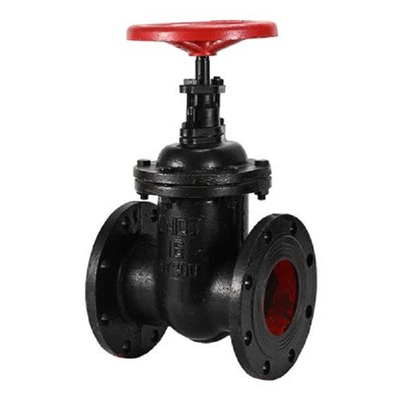

How to prevent the jamming of a Wafer Flat Gate Valve?
Leave a message

Hey there! As a supplier of Wafer Flat Gate Valves, I've seen my fair share of valve jamming issues. It can be a real pain in the neck for both us suppliers and our customers. In this blog, I'm gonna share some tips on how to prevent the jamming of a Wafer Flat Gate Valve.
Understanding the Causes of Jamming
Before we can prevent jamming, we need to know what causes it. There are several factors that can lead to a Wafer Flat Gate Valve getting stuck.
1. Dirt and Debris
One of the most common causes is the accumulation of dirt, debris, and sediment in the valve. When these particles get into the valve, they can interfere with the movement of the gate, causing it to jam. For example, in industrial settings where the fluid flowing through the valve contains a lot of solid particles, this problem can be especially prevalent.
2. Corrosion
Corrosion is another major culprit. Over time, the metal parts of the valve can corrode, especially if they are exposed to harsh chemicals or high - humidity environments. Corroded parts can become rough and uneven, which makes it difficult for the gate to move smoothly.
3. Misalignment
If the valve is not installed correctly, it can become misaligned. Misalignment can put extra stress on the gate and other components, leading to jamming. This can happen during the initial installation or due to external forces such as vibration or pipe movement.
4. Wear and Tear
Like any mechanical device, Wafer Flat Gate Valves experience wear and tear over time. The constant opening and closing of the valve can cause the seals, gaskets, and other parts to deteriorate. As these parts wear out, they can affect the valve's performance and potentially cause jamming.
Preventive Measures
1. Regular Maintenance
Regular maintenance is key to preventing valve jamming. Here are some maintenance tasks you should perform:
- Cleaning: Clean the valve regularly to remove any dirt, debris, or sediment. You can use a suitable cleaning solution and a soft brush to gently clean the internal and external parts of the valve. Make sure to dry the valve thoroughly after cleaning to prevent corrosion.
- Lubrication: Apply a high - quality lubricant to the moving parts of the valve, such as the stem and the gate. Lubrication reduces friction and helps the gate move smoothly. However, be careful not to over - lubricate, as excess lubricant can attract dirt and debris.
- Inspection: Inspect the valve regularly for signs of corrosion, wear, and misalignment. Check the seals, gaskets, and other components for any damage. If you notice any problems, replace the damaged parts immediately.
2. Proper Installation
Proper installation is crucial for the smooth operation of the valve. Here are some installation tips:
- Follow the Manufacturer's Instructions: Always follow the manufacturer's installation guidelines. Make sure to use the correct tools and techniques during installation.
- Align the Valve Correctly: Ensure that the valve is properly aligned with the pipes. Misalignment can cause stress on the valve and lead to jamming. Use alignment tools if necessary to ensure accurate alignment.
- Tighten the Bolts Properly: When installing the valve, tighten the bolts to the recommended torque. Over - tightening or under - tightening the bolts can affect the valve's performance.
3. Use High - Quality Valves
Investing in high - quality Wafer Flat Gate Valves can save you a lot of trouble in the long run. High - quality valves are made from better materials and are more resistant to corrosion and wear. For example, we offer National Standard Flat Gate Valve, Titanium Alloy Flat Gate Valve, and Ferrule Flat Gate Valve. These valves are designed to meet strict quality standards and provide reliable performance.
4. Filter the Fluid
If the fluid flowing through the valve contains a lot of solid particles, consider installing a filter upstream of the valve. A filter can remove the dirt, debris, and sediment before they reach the valve, reducing the risk of jamming.
5. Control the Operating Environment
Try to control the operating environment of the valve as much as possible. For example, if the valve is exposed to high - humidity or corrosive chemicals, take steps to protect it. You can use protective coatings or enclosures to shield the valve from the harsh environment.
Monitoring and Troubleshooting
Even if you take all the preventive measures, there's still a chance that the valve may jam. That's why it's important to monitor the valve's performance regularly. Here are some signs that the valve may be having problems:
- Difficulty in Opening or Closing: If you notice that it's becoming increasingly difficult to open or close the valve, it could be a sign of jamming.
- Leakage: Leakage around the valve can indicate a problem with the seals or the gate. It could also be a sign of internal damage that may lead to jamming.
- Unusual Noises: If you hear any unusual noises, such as grinding or clicking, when operating the valve, it's a good idea to check it out.
If you suspect that the valve is jammed, here are some troubleshooting steps you can take:
- Try to Free the Gate: Sometimes, the valve can be freed by gently tapping on the valve body or the stem. Use a rubber mallet or a soft - faced hammer to avoid damaging the valve.
- Check for Blockages: Inspect the valve for any blockages. If you find any dirt or debris, try to remove it using a cleaning tool.
- Seek Professional Help: If you're unable to resolve the problem on your own, it's best to seek the help of a professional valve technician. They have the expertise and tools to diagnose and fix the problem.
Conclusion
Preventing the jamming of a Wafer Flat Gate Valve requires a combination of regular maintenance, proper installation, and the use of high - quality valves. By following the tips and techniques outlined in this blog, you can significantly reduce the risk of valve jamming and ensure the reliable operation of your valves.
If you're interested in purchasing high - quality Wafer Flat Gate Valves or have any questions about valve maintenance and troubleshooting, feel free to contact us for a procurement discussion. We're here to help you find the best valve solutions for your needs.


References
- Valve Handbook, Various Editions
- Industry Standards and Guidelines for Valve Installation and Maintenance