
How to choose the right size of a flanged slab gate valve?
Leave a message

Choosing the right size of a flanged slab gate valve is a critical decision that can significantly impact the efficiency, safety, and cost - effectiveness of your piping system. As a reputable flanged slab gate valve supplier, I understand the importance of this choice and am here to guide you through the process.
Understanding the Basics of Flanged Slab Gate Valves
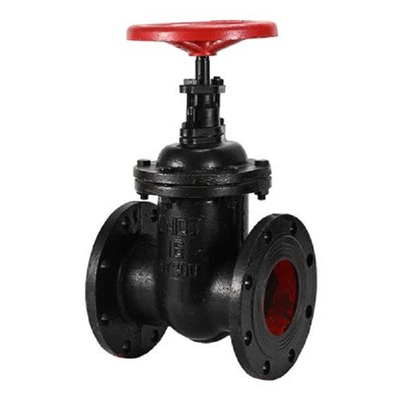
Before delving into the sizing process, it's essential to have a basic understanding of flanged slab gate valves. These valves are designed with a flat gate that slides up and down to control the flow of fluid through a pipeline. The flanged ends allow for easy installation and connection to the pipeline system. They are commonly used in various industries, including oil and gas, water treatment, and chemical processing, due to their excellent shut - off capabilities and low pressure drop.
Factors to Consider When Choosing the Valve Size
Flow Rate
The flow rate of the fluid in your pipeline is one of the most important factors to consider when selecting the valve size. The valve must be able to handle the maximum flow rate required by your system without causing excessive pressure drop. To determine the appropriate valve size based on flow rate, you can use the following steps:
- Calculate the maximum flow rate of your system. This can be done by measuring the volume of fluid passing through the pipeline per unit of time.
- Refer to the valve manufacturer's flow coefficient (Cv) data. The Cv value indicates the flow capacity of a valve at a given pressure drop. Select a valve with a Cv value that is sufficient to handle your maximum flow rate. For example, if your system has a maximum flow rate of 100 gallons per minute (GPM), you should choose a valve with a Cv value greater than 100.
Pressure Rating
The pressure rating of the valve must be compatible with the operating pressure of your pipeline system. If the valve's pressure rating is too low, it may fail under high - pressure conditions, leading to leaks or even catastrophic failure. On the other hand, choosing a valve with an excessively high pressure rating can be costly and may not be necessary for your application.
- Determine the maximum operating pressure of your system. This includes both the static pressure and any pressure surges that may occur during normal operation.
- Select a valve with a pressure rating that is equal to or greater than the maximum operating pressure of your system. For example, if your system operates at a maximum pressure of 150 pounds per square inch (PSI), you should choose a valve with a pressure rating of at least 150 PSI.
Pipe Size
The size of the valve should match the size of the pipeline it will be installed in. Using a valve that is too small or too large for the pipe can cause flow restrictions, pressure drop, and other operational problems.
- Measure the diameter of your pipeline. This is typically done in inches or millimeters.
- Select a valve with the same nominal pipe size (NPS) as your pipeline. For example, if your pipeline has a diameter of 4 inches, you should choose a 4 - inch flanged slab gate valve.
Fluid Characteristics
The characteristics of the fluid flowing through the pipeline, such as its viscosity, temperature, and corrosiveness, can also affect the valve size selection.
- Viscosity: Highly viscous fluids require a larger valve size to ensure proper flow. A valve with a larger flow area can reduce the pressure drop caused by the high viscosity of the fluid.
- Temperature: High - temperature fluids may require a valve with special materials and design features to withstand the heat. The size of the valve may also be affected by the thermal expansion of the fluid and the valve components.
- Corrosiveness: If the fluid is corrosive, you need to choose a valve made of corrosion - resistant materials. The size of the valve may also be influenced by the thickness of the valve walls required to resist corrosion.
Different Types of Flanged Slab Gate Valves and Their Sizing Considerations
Full Bore Slab Gate Valve
Full bore slab gate valves have a bore diameter that is the same as the inside diameter of the pipeline. This design allows for unrestricted flow of fluid, minimizing pressure drop and reducing the risk of blockages. When sizing a full bore slab gate valve, the same factors of flow rate, pressure rating, pipe size, and fluid characteristics apply. However, due to their larger flow area, they may be more suitable for applications where high - flow rates and low - pressure drop are required.
Pneumatic - hydraulic Flat Gate Valve
Pneumatic - hydraulic flat gate valves are operated by a combination of pneumatic and hydraulic forces. These valves are often used in applications where remote operation and precise control are required. When sizing a pneumatic - hydraulic flat gate valve, in addition to the standard factors, you also need to consider the power requirements of the actuation system. The size of the valve may affect the force required to open and close it, which in turn affects the size and capacity of the pneumatic and hydraulic components.
Flat Gate Valve for Water Supply System
Flat gate valves for water supply systems are designed to handle the specific requirements of water distribution. When sizing these valves, factors such as the demand for water, the pressure in the water supply network, and the quality of the water (e.g., presence of sediment) need to be considered. For example, in a large - scale water supply system with high - flow requirements, a larger - sized valve may be needed to ensure adequate water distribution.
The Importance of Professional Advice
While the above guidelines can help you make an initial selection of the valve size, it's always advisable to seek professional advice from a valve expert or an engineer. They can perform detailed calculations and analysis based on your specific system requirements and provide you with the most accurate valve size recommendation. Additionally, they can help you identify any potential issues or challenges that may arise during the installation and operation of the valve.
Contact for Purchase and Consultation
If you are in the process of selecting the right size of a flanged slab gate valve for your project, I encourage you to reach out to us. As a trusted flanged slab gate valve supplier, we have a wide range of valve sizes and types to meet your needs. Our team of experts is ready to assist you in making the best choice for your system. Whether you have questions about valve sizing, installation, or maintenance, we are here to provide you with the support and guidance you need.


References
- Crane Co., "Flow of Fluids Through Valves, Fittings, and Pipe", Technical Paper No. 410.
- Valve Manufacturers Association of America (VMAA), "Valve Selection and Sizing Handbook".
- ASME B16.34, "Valves - Flanged, Threaded, and Welding End".