
How does an Insulation Flat Gate Valve differ from a regular flat gate valve?
Leave a message

When it comes to industrial valves, flat gate valves are a common choice due to their simplicity, reliability, and effectiveness in controlling the flow of fluids. However, within the realm of flat gate valves, there is a specialized type known as the insulation flat gate valve. As a supplier of insulation flat gate valves, I often encounter questions about how these valves differ from regular flat gate valves. In this blog post, I will delve into the key differences between the two, highlighting the unique features and advantages of insulation flat gate valves.
Structural Design
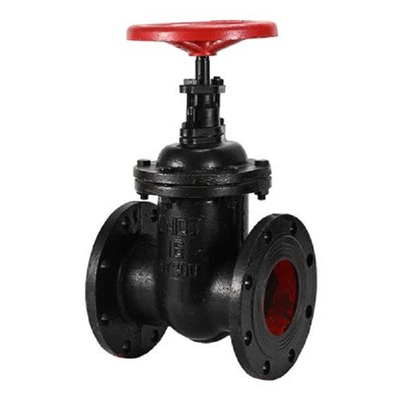
One of the primary differences between an insulation flat gate valve and a regular flat gate valve lies in their structural design. A regular flat gate valve typically consists of a valve body, a gate, a stem, and a bonnet. The gate is a flat plate that moves up and down to open or close the valve, controlling the flow of fluid through the pipeline. The valve body is usually made of a single piece of metal, with the gate sliding in a groove within the body.
In contrast, an insulation flat gate valve is designed with an additional layer of insulation. This insulation layer is typically placed between the valve body and the gate, or around the valve body itself. The insulation material can vary, but common choices include fiberglass, mineral wool, or foam. The purpose of this insulation is to reduce heat transfer between the fluid inside the valve and the surrounding environment. This is particularly important in applications where temperature control is critical, such as in high-temperature or cryogenic systems.
Temperature Resistance
Another significant difference between insulation flat gate valves and regular flat gate valves is their temperature resistance. Regular flat gate valves are generally designed to operate within a certain temperature range, which is determined by the materials used in their construction. For example, a standard carbon steel flat gate valve may have a maximum operating temperature of around 425°C (797°F). Beyond this temperature, the valve may experience thermal expansion, which can lead to leakage or other performance issues.
Insulation flat gate valves, on the other hand, are specifically designed to withstand extreme temperatures. The insulation layer helps to protect the valve components from the effects of high or low temperatures, allowing the valve to operate reliably in a wider range of conditions. For instance, an insulation flat gate valve can be used in applications where the fluid temperature ranges from -200°C (-328°F) to over 500°C (932°F). This makes them ideal for use in industries such as oil and gas, chemical processing, and power generation, where temperature variations are common.
Energy Efficiency
Energy efficiency is a growing concern in many industries, and insulation flat gate valves offer a significant advantage in this regard. By reducing heat transfer, the insulation layer in an insulation flat gate valve helps to minimize energy losses. This is particularly important in systems where the fluid needs to be maintained at a specific temperature, as it reduces the amount of energy required to heat or cool the fluid.
In contrast, regular flat gate valves do not have this insulation feature, which means that they can contribute to energy losses through heat transfer. Over time, these energy losses can add up, resulting in higher operating costs. By choosing an insulation flat gate valve, companies can not only improve the performance of their systems but also reduce their energy consumption and operating costs.
Application Areas
The differences in design and performance between insulation flat gate valves and regular flat gate valves also lead to different application areas. Regular flat gate valves are commonly used in general industrial applications where temperature control is not a critical factor. They are suitable for use in water treatment plants, HVAC systems, and other applications where the fluid temperature is relatively stable.
Insulation flat gate valves, on the other hand, are specifically designed for applications where temperature control is essential. They are commonly used in industries such as oil and gas, where they are used to control the flow of high-temperature or cryogenic fluids. For example, in an oil refinery, insulation flat gate valves may be used to control the flow of hot oil or steam, while in a liquefied natural gas (LNG) plant, they may be used to control the flow of cryogenic LNG.


In addition to oil and gas, insulation flat gate valves are also used in other industries such as chemical processing, power generation, and food and beverage. In the chemical processing industry, they are used to control the flow of corrosive or high-temperature chemicals, while in the power generation industry, they are used to control the flow of steam or hot water. In the food and beverage industry, they are used to control the flow of hot or cold liquids, such as milk or juice.
Specialized Variants
As a supplier of insulation flat gate valves, we also offer a range of specialized variants to meet the specific needs of our customers. For example, we offer Fire Slab Gate Valve, which are designed to withstand high temperatures and prevent the spread of fire in the event of a fire outbreak. These valves are commonly used in oil and gas facilities, where fire safety is a major concern.
We also offer Buried Slab Gate Valve, which are designed for use in underground pipelines. These valves are typically made of corrosion-resistant materials and are designed to withstand the harsh conditions of underground environments.
In addition, we offer Adjustable Flat Gate Valve, which allow for precise control of the flow rate. These valves are commonly used in applications where accurate flow control is required, such as in chemical processing or water treatment plants.
Conclusion
In conclusion, insulation flat gate valves differ from regular flat gate valves in several key ways. Their unique structural design, temperature resistance, energy efficiency, and application areas make them a specialized and valuable choice for industries where temperature control is critical. As a supplier of insulation flat gate valves, we are committed to providing our customers with high-quality products that meet their specific needs.
If you are interested in learning more about our insulation flat gate valves or would like to discuss your specific requirements, please do not hesitate to contact us. Our team of experts is available to provide you with detailed information and assistance in selecting the right valve for your application. We look forward to the opportunity to work with you and help you achieve your goals.
References
- Valve Handbook, by J. S. T. Lovick
- Industrial Valves: Selection and Sizing, by R. W. Miller
- Valve Technology: A Comprehensive Guide, by C. R. B. Jones