


What Is A Wafer Flat Gate Valve And How Does It Work
Leave a message
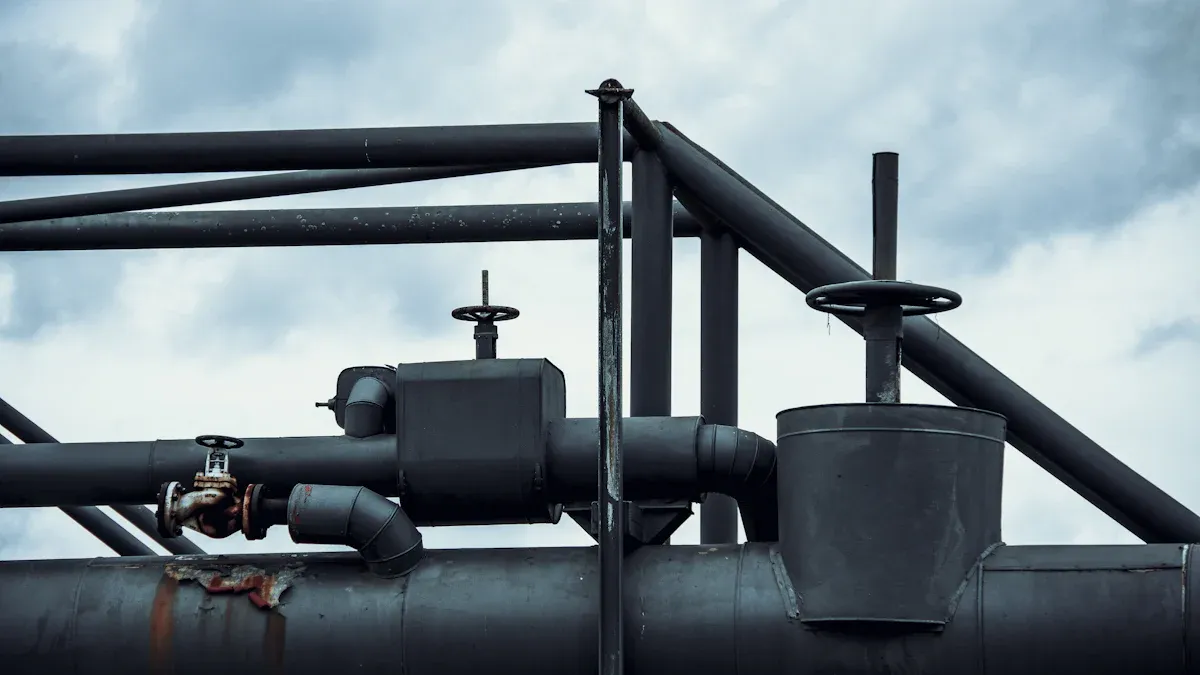
A wafer flat gate valve helps you control fluid flow in a pipeline. This valve uses a flat or wedge-shaped gate that slides between open and closed positions. When you move the gate down, it blocks the flow completely. Lifting the gate allows fluid to pass freely. You need to know how this mechanism works so you can choose the right valve for full isolation or on-off control in your system.
Key Takeaways
A wafer flat gate valve uses a flat gate to control flow. The gate moves up and down to stop or let fluid pass. This lets you fully stop or allow flow.
The valve is small and saves space. It is easy to put between flanges. This makes it good for small spaces.
The valve has a strong seal to stop leaks. This keeps things safe and reliable in many industries. It is used in oil, gas, and water treatment.
Flat gate valves do not cause much pressure loss. Fluids move easily with little resistance. This helps things work better and faster.
You need to clean and check the seals often. This keeps the valve working well and stops leaks.
Wafer Flat Gate Valve Components
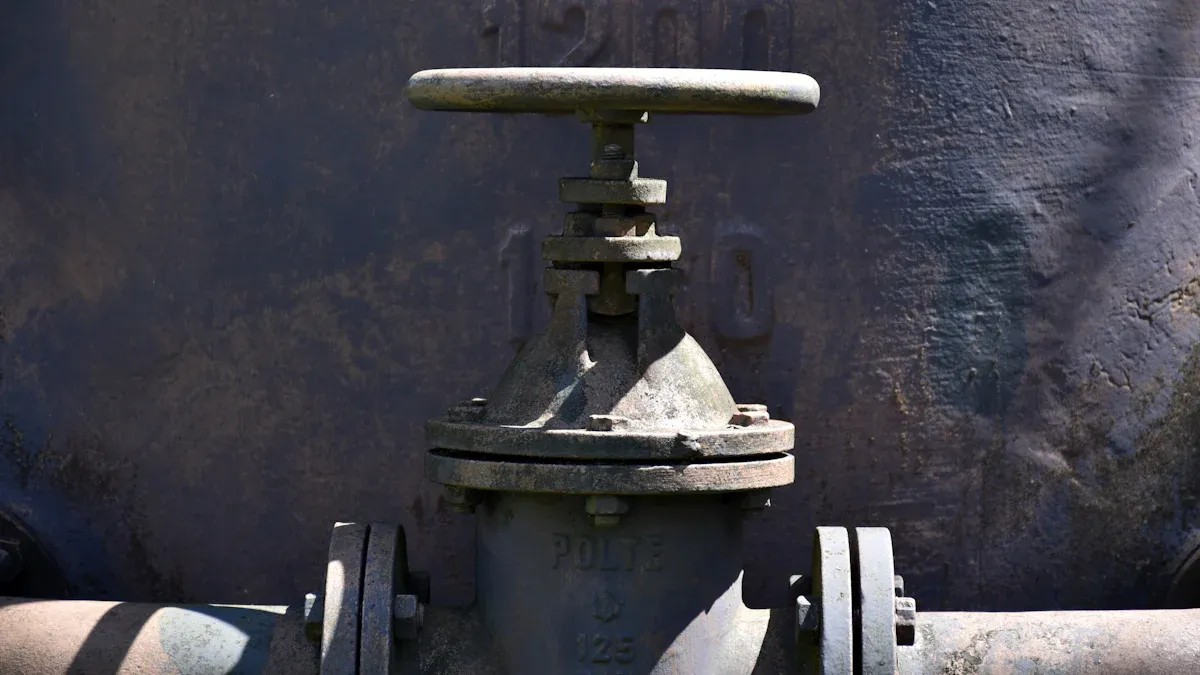
Body and Design
The body of a wafer flat gate valve is thin and small. This shape lets you put the valve between two flanges easily. You do not need extra bolts or big spaces for this style. Many industries pick this design because it saves space and is simple to install. Some valves have one gate, but others have two gates for a better seal in hard jobs.
Tip: Check if your system needs one or two gates. Two gates can give more leak protection.
Flat Gate or Wedge
The flat gate or wedge is the main moving part. It opens or closes the valve. The gate slides down to stop flow or goes up to let fluid move. Its flat shape helps it press tight against the seat. The fluid's pressure pushes the gate into place, so you use less force. The flat gate keeps a good seal even with small particles in the fluid. This makes the valve work smoothly and parts last longer.
Sealing System
A strong sealing system stops leaks. The gate pushes hard against seats made of elastomeric or metal. This seals the flow path and blocks leaks in many systems. Here is a quick look at the main sealing types:
|
Sealing Type |
Effectiveness in Preventing Leaks |
|---|---|
|
Elastomeric |
Makes a tight seal, good for many uses, even tough ones. |
|
Metal Seats |
Lasts long and works well in low-pressure systems, stopping leaks. |
The gate pushes hard against elastomeric or metal seats.
This seals the flow path well.
Stops leaks in many industrial uses.
Actuation
You can use different ways to move a flat gate valve. Some use a handwheel you turn to move the gate. Others use electric, pneumatic, or hydraulic actuators for fast or remote use. The way you choose depends on your system and how often you open or close the valve.
Note: Many wafer flat gate valves follow rules like API 600, ISO 10434, ASME B16.34, API 602, API 603, and CE. These rules help keep safety and quality in important industries.
Flat Gate Valve Working Principle
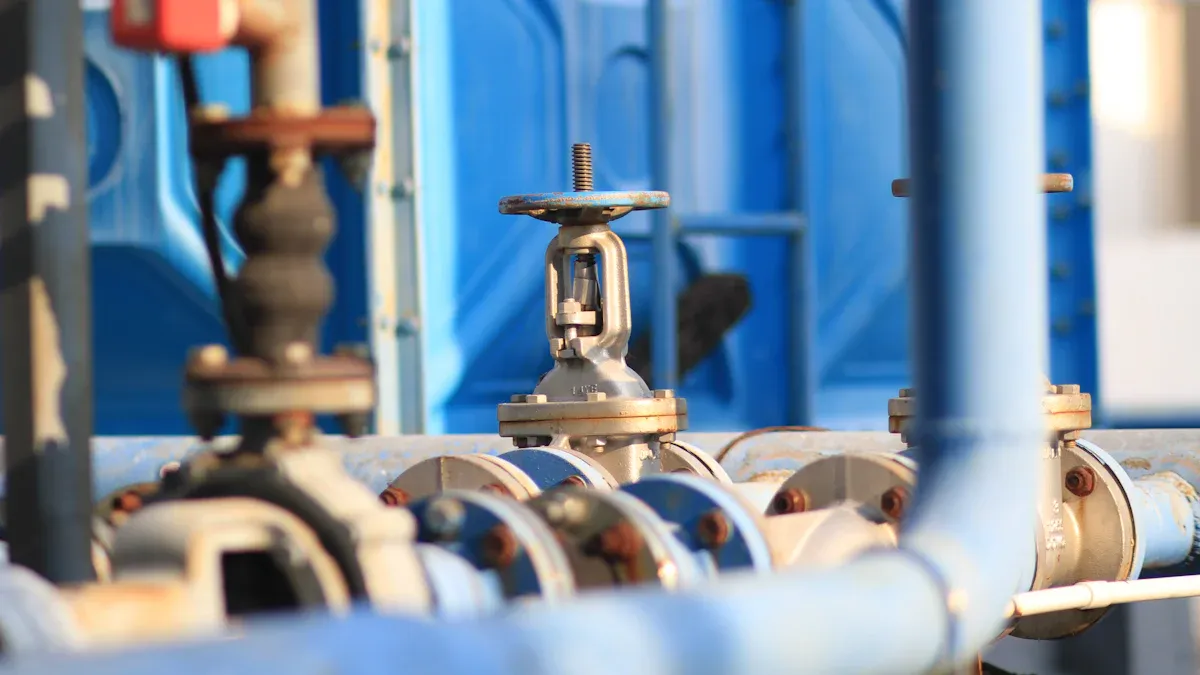
Gate Movement
You control the flat gate valve by moving the gate up or down. The gate is a flat, rectangular plate inside the valve body. When you turn the stem, the gate rises or falls. This movement lets you open or close the valve. Here is how the gate movement works:
The gate sits inside the valve body and connects to the stem.
You turn the stem to lift the gate. The gate moves up and opens the flow path.
You turn the stem the other way to lower the gate. The gate moves down and blocks the flow.
This simple up-and-down movement is the main working principle of the wafer flat gate valve. You get clear control over fluid flow with this design.
Flow Control
The flat gate valve gives you strong flow control. When you lift the gate, fluid moves through the valve with almost no resistance. The open gate does not block the flow path. You get a low pressure drop compared to other valve types. Here is a quick look at how pressure drop compares:
|
Valve Type |
Pressure Drop |
|---|---|
|
Gate Valve |
Low |
|
Butterfly Valve |
Higher |
You can use the flat gate valve when you need full flow or complete shutoff. The valve works best for on-off control, not for throttling. You get a clear open or closed position, which helps you manage your system easily.
Tip: Use a flat gate valve when you want minimal pressure loss and strong isolation.
Sealing Action
The sealing action in a flat gate valve keeps your system safe from leaks. When you lower the gate, it presses tightly against the seats inside the valve. This creates a strong seal and stops fluid from passing through. The working principle depends on the gate pressing evenly against the seats.
Common sealing problems can happen if the gate or valve body has defects. You may see leakage, external leaks, or gate failure. Here are some issues you might face:
Defects in the valve body, like porosity or slag inclusion.
Packing failures from loose bolts or corrosion.
Gate problems, such as jamming or wedging.
You can see the main failure modes in this table:
|
Failure Mode |
Description |
|---|---|
|
Leakage |
Caused by defects in the valve body, packing failures, and issues with the gate mechanism itself. |
|
External Leakage |
Often results from casting defects like porosity and cracks, leading to significant operational risks. |
|
Gate Failure |
Includes jamming, wedging, and detachment due to design flaws or improper operation. |
If you keep the valve in good condition, you get a tight seal and reliable flow control. The flat gate valve gives you unobstructed flow and strong shutoff when you need it.
Advantages of Wafer Flat Gate Valves
Unobstructed Flow
A wafer flat gate valve lets fluid move straight through. When the gate is open, the fluid flows easily. There is almost no resistance in the path. This helps fluids move fast and keeps pressure loss low. Many factories use this valve for smooth flow. The inside stays clear when the gate is up. You do not have to worry about clogs or slow flow.
The flat gate valve cuts down resistance when open.
It works well where you need quick, steady fluid movement.
This makes it great for water plants, chemical jobs, and more.
Tip: Pick a flat gate valve if you want less pressure drop and strong flow in your system.
Tight Sealing
A tight seal is important to stop leaks and keep things safe. The wafer flat gate valve has a flat gate that pushes hard on the seats. This makes a tight seal each time you close it. Some valves use O-ring seals and floating seats for better sealing. Others have self-sealing packing to make them more reliable. The valve meets tough rules like API 598 and API 6D, so it works well under pressure.
|
Valve Type |
Leakage Rate Measurement |
Testing Conditions |
|---|---|---|
|
Wafer Flat Gate |
Not specified |
Compliance with standards |
|
Other Gate Valves |
Varies |
Based on standards |
You can count on the flat gate valve to seal tight in hard jobs. This helps stop leaks and keeps your system safe.
Compact Installation
A wafer flat gate valve saves space when you put it in. Its thin body fits into small places, like risers or tight rooms. You do not need extra space for big parts. This makes it good for systems with little room. You can install it fast, even in crowded spots.
The small shape means you need less space.
It fits where other valves cannot go.
This helps you build piping systems that use space well.
Note: Check and clean your flat gate valve often. Oil the stem, look at the sealing surface, and change old parts. This keeps the seal tight and the valve working smoothly.
Applications and Industries
Many industries use the flat gate valve. It gives strong shut-off and easy flow control. The wafer flat gate valve is small and seals well. Here are some main places where you can use this valve:
|
Industry |
Reason for Selection |
|---|---|
|
Oil and Gas |
Good shut-off and low pressure loss |
|
Water Treatment |
Tight seal and smooth flow |
|
Chemical Processing |
Works with many fluids and is reliable |
|
Power Generation |
Needed for careful fluid control |
|
Mining and Refining Operations |
Handles high pressure |
|
Pharmaceutical and Food Processing |
Keeps things safe in sensitive places |
Water Treatment
Flat gate valves are used in water plants. They help stop dirty water from mixing in. These valves keep water moving the right way. You can put them in filters, chemical systems, pumps, and reverse osmosis units. People like that they work with many materials and pressures. The gate makes a tight seal. This keeps water clean and the system safe.
Oil and Gas
Oil and gas pipes use flat gate valves for high pressure. They work in pipes, storage tanks, and city gas lines. The gate controls flow, even with small bits in the liquid. It fits many kinds of pipes. This valve is easy to clean and fix. It seals well, even if there are particles in the flow.
Chemical Processing
Chemical plants need valves for many fluids. The flat gate valve is good here because it is strong and flexible. It helps control fluids and can shut off fast. The gate does not rust and stops leaks. This keeps the plant safe and working well.
HVAC and Others
Flat gate valves are also in HVAC, power plants, mining, and food jobs. In these places, the valve helps control flow and keeps things safe. The gate seals tight and is easy to use. This makes it a smart pick for tough or careful jobs.
Tip: Pick the wafer flat gate valve if you want a small, strong, and dependable valve for hard jobs.
Wafer Knife Gate Valves vs. Flat Gate Valves
Design Differences
You can spot design differences between wafer knife gate valves and flat gate valves right away. Wafer knife gate valves have a thin, sharp-edged blade that slices through thick fluids, slurries, or solids. The blade moves up and down inside a slim body. This design helps you cut through tough materials without clogging. Flat gate valves use a solid, flat gate or wedge that slides to block or open the flow. The gate in flat gate valves works best with clean liquids and gases.
Here is a table to help you compare the two designs:
|
Feature |
Wafer Knife Gate Valves |
Flat Gate Valves |
|---|---|---|
|
Gate Shape |
Thin, sharp blade |
Solid, flat wedge |
|
Body Profile |
Slim, compact |
Thin, but less sharp |
|
Best For |
Slurries, solids |
Clean fluids |
|
Clogging Resistance |
High |
Moderate |
Tip: Choose wafer knife gate valves if you need to handle thick or dirty fluids. The sharp blade keeps your system running smoothly.
Application Differences
You will find wafer knife gate valves in places where you need to move thick, gritty, or sticky materials. These valves work well in mining, wastewater treatment, pulp and paper, and food processing. The sharp blade cuts through solids and prevents jams. You can use wafer knife gate valves for on-off control in tough jobs.
Flat gate valves fit best in water supply, oil and gas, and chemical processing. You get reliable shut-off for clean liquids. Flat gate valves do not handle solids as well as wafer knife gate valves. If you need a valve for simple isolation and low pressure drop, flat gate valves are a good choice.
Here is a quick list of where you might use wafer knife gate valves:
Mining and mineral processing
Wastewater plants
Pulp and paper mills
Food factories
You can see that wafer knife gate valves give you better performance in harsh conditions. The blade design helps you avoid clogs and keeps your system safe. Flat gate valves work well for clean, simple jobs.
Note: Always check your fluid type before picking a valve. Wafer knife gate valves are your best bet for solids and slurries.
Wafer flat gate valves help you control flow well and stop leaks. The flat gate design lets fluid move easily with little resistance. These valves are simple to use in many places, like water, oil, and gas systems. The table below explains why they are a good choice for your setup:
|
Feature |
Benefit |
|---|---|
|
Sealing Performance |
O-ring seals and floating seats stop leaks |
|
Flow Resistance |
Straight path keeps pressure loss low |
|
Maintenance |
Self-sealing packing reduces upkeep |
Tip: Pick wafer flat gate valves if you want safe, easy, and efficient fluid control.
FAQ
What is the main use of a wafer flat gate valve?
You use a wafer flat gate valve to start or stop fluid flow in a pipeline. This valve gives you strong shut-off and low pressure loss. Many industries choose it for clean liquids and gases.
Can you use a wafer flat gate valve for throttling?
You should not use this valve for throttling. The design works best for full open or full closed positions. Throttling can damage the gate and seats.
How do you maintain a wafer flat gate valve?
You need to check the valve often. Clean the sealing surfaces and oil the stem. Replace worn parts quickly. This keeps the valve working well and stops leaks.
What fluids work best with wafer flat gate valves?
You get the best results with clean liquids and gases. The flat gate design does not handle thick slurries or solids well. For those, you should use a knife gate valve.
Are wafer flat gate valves easy to install?
Yes, you can install these valves easily. The thin body fits between flanges. You do not need much space or extra bolts. This makes them a good choice for tight spots.


